KOUKI FUJIMOTO’S SOLO KO
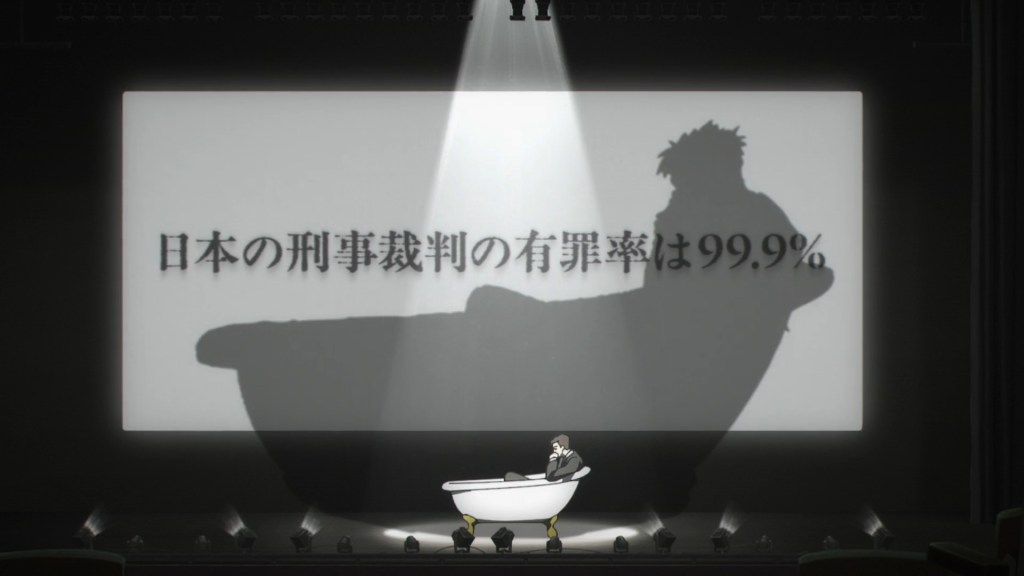
In the Land of the Rising Sun 99.9% of criminal trials end in a guilty verdict. This statistic exists for a multitude of reasons. Firstly, only 8% of cases actually get prosecuted in a trial, most charges instead being differed or dropped. Prosecutors are extremely specific about what they will prosecute, only choosing cases with nigh on guaranteed convictions out of fear of reputational loss. Police can and will detain suspects for up to 23 days without pressing charges and alongside their ability to interrogate without/before lawyers are present the fear of forced confessions is a well known one. Judge’s preside over cases with a general deference to the prosecution. If acquitted, the prosecution can appeal which also gives the higher court the ability to increase the sentence, further burying the defendant. In summary and for my fellow illiterate Jujutsu Kaisen fans, the game was rigged from the start. What this means for Jujutsu Kaisen Season 3 in particular is that when we finally meet Hiromi Higuruma, the 102 point powerhouse of Tokyo No.1 we presume him guilty of mass murder. In reality he’s just a Japanese defence attorney. A very tired, very angry, and very powerful defence attorney whose dealt in a decent share of capitol punishment given his points but hey, it was just a bad day. When you hear his story as told in Jujutsu Kaisen Season 3 Episode 8 what will you think of him, what will be your verdict?
Mine, guilty. Charge: Unlawful use of force, so as to coerce me to love him. Evidence provided by the prosecution(Me), 3 Articles. Article 1, Gege Akutami‘s Jujutsu Kaisen Chapters 159 and 163. Article 2, Yousuke Takada‘s SB/ED on JJK S3 EP 8. And finally Article 3, Kouki Fujimoto‘s Solo KA on JJK S3 EP 8. Let’s get this trial underway shall we and figure out if we did achieve the guilty verdict I desire and a conviction of Peak Fiction.
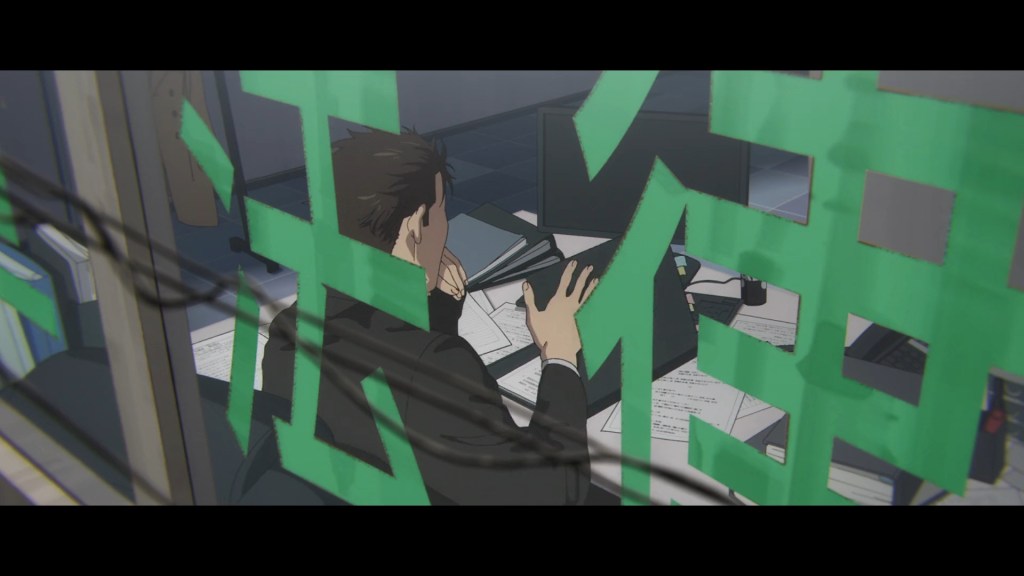
Gege Akutami‘s plot writing post the Shibuya Incident is extremely unfocused, with the series in general devolving into a series of disconnected bouts that mainly serve to push his power system to their creative limits. Characters are underserved or forgotten and the art, well let’s not go for that low blow since I’d probably get back pain. But in microcosm there’s actually quite a few good tales to be found in the back half. We’ve already seen so in Episode 5 with Perfect Preparation’s tale of dynastic destruction, paying off in part the thread of Jujutsu societies self serving corruption. The next would come with an outright political exploration, one less nay even totally unconnected to the story so far, Japan’s infamous 99.9% conviction rate and associated ideas of guilt and justice. That thread of guilt is actually very focused writing from Gege as he continues to explore and torment his own MC Yuji Itadori and the monstrous actions his physical body perpetrated in Shibuya. That thread is also… for another day, next week to be specific since ayo, this ain’t Yuji’s episode yet. Instead we follow the new character Higuruma’s very human and very normal emotional breakdown as his job’s unique strain pushes him to his limits. For a battle shonen Jujutsu Kaisen is surprisingly great at tackling grounded material like this, in fact this episode’s tone is very much precedented. The previous seasons most powerful act of storytelling was it’s 5th episode, Premature Death where Geto’s own descent similarly heightened through rich character acting, powerful drawings overseen by Yamazaki and Niinuma with Gosso’s bleeding edge SB dripping with unease. Episode 8 isn’t on that level but it also isn’t climactic, we’re not supposed to feel the world is ending yet so I don’t fault it for not being JJK’S best written. But it does make for a very good introduction indeed.
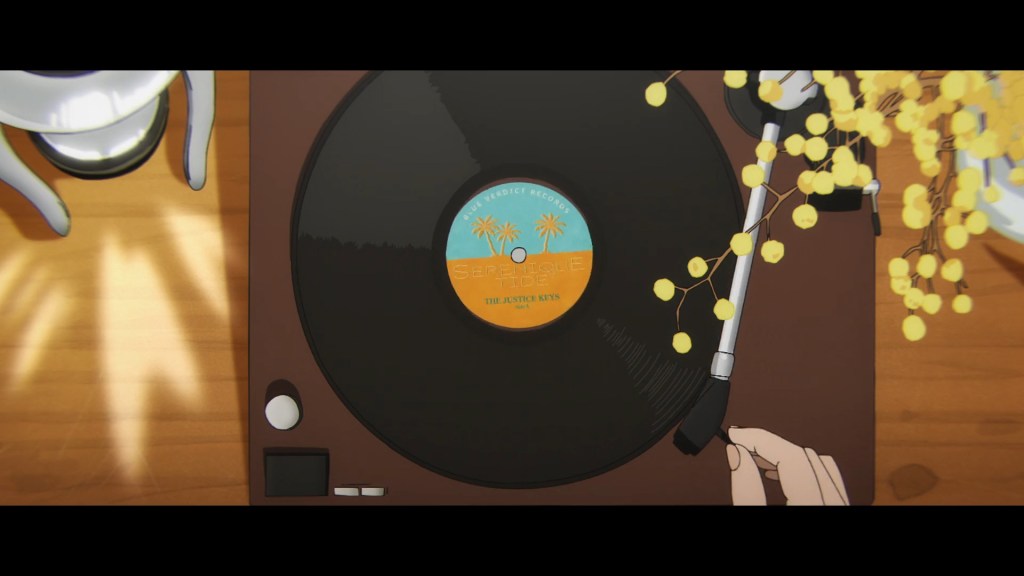
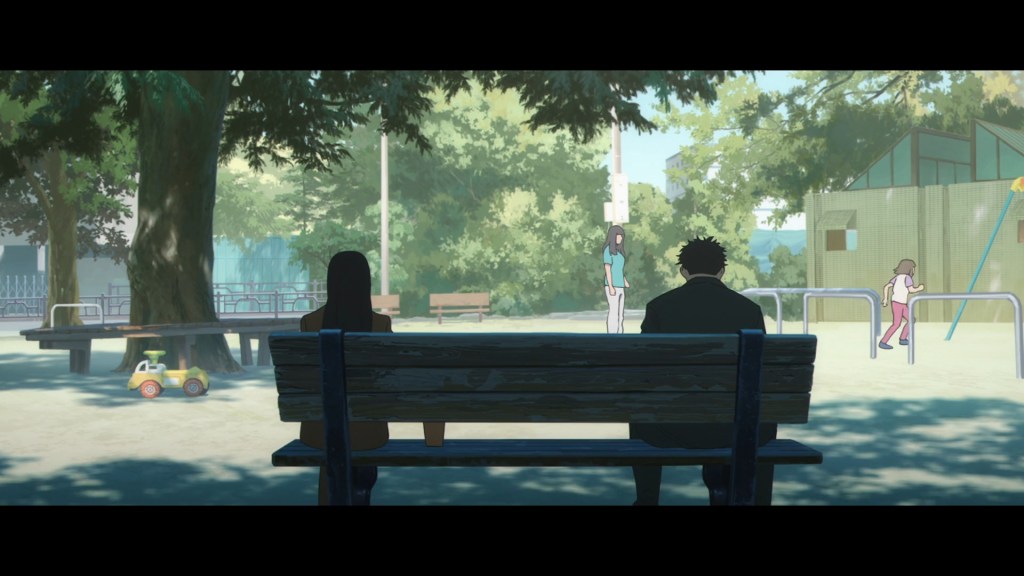
Tackling a character like Higuruma is definitely the most interesting choice Gege made here. The jujutsu world lies on a precipice but so does the normal one, normal people’s lives every bit as stressful as someone who fights spirits for a living so what happens when one shatters one and unlocks the other. By wielding the hammer of real life fact in regards to the state of the Japanese justice system Gege immediately make’s Higuruma a fully fleshed out person, one dropped into this series with circumstances that already tell us alot about him as a person and his worldview. He has a strong moral code and rock solid ideals, already a big difference from our regular cast members. He has a rebellious streak, otherwise why make a living in a hopeless position like defence attorney. He lives a lifestyle with high stakes and stress as the norm, enough so that 10 minutes of backstory and one bad case is perfectly reasonable to be his breaking point. Gege’s naturalistic follow through for this backstory is perfectly in his wheel house, both in terms of banter and genuinely thematic exposition this is where his character writing truly comes alive, he’s simply better at micro over macro in his storytelling. Hiromi Higuruma is a perfect character for Gege Akutami to write about, so I think my first article of evidence is a slam dunk.
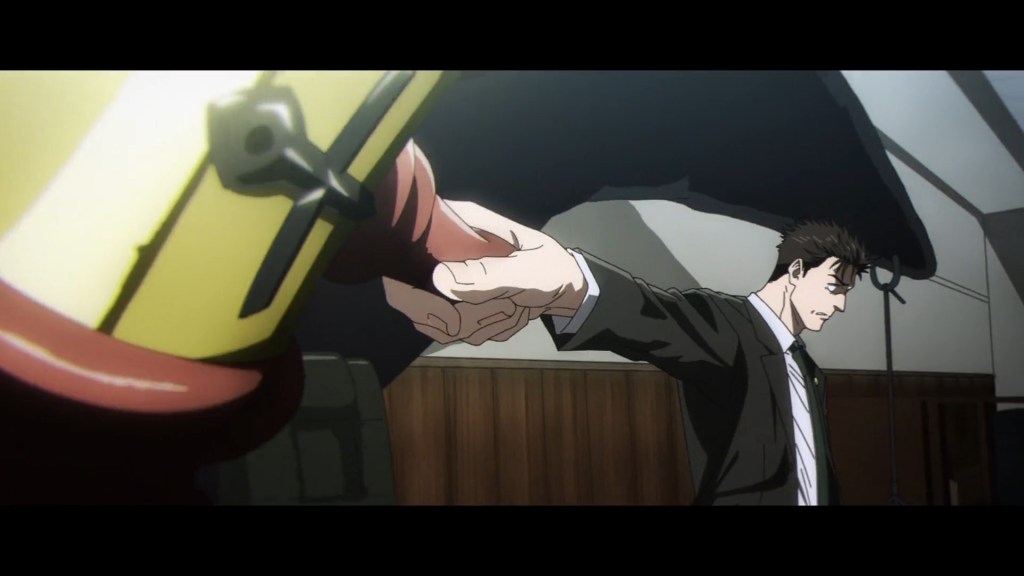
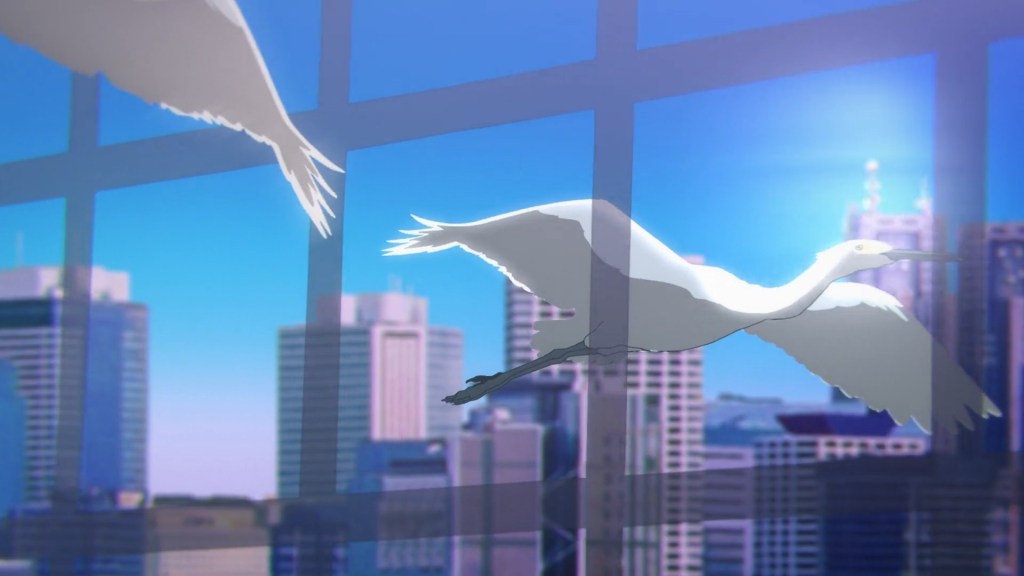
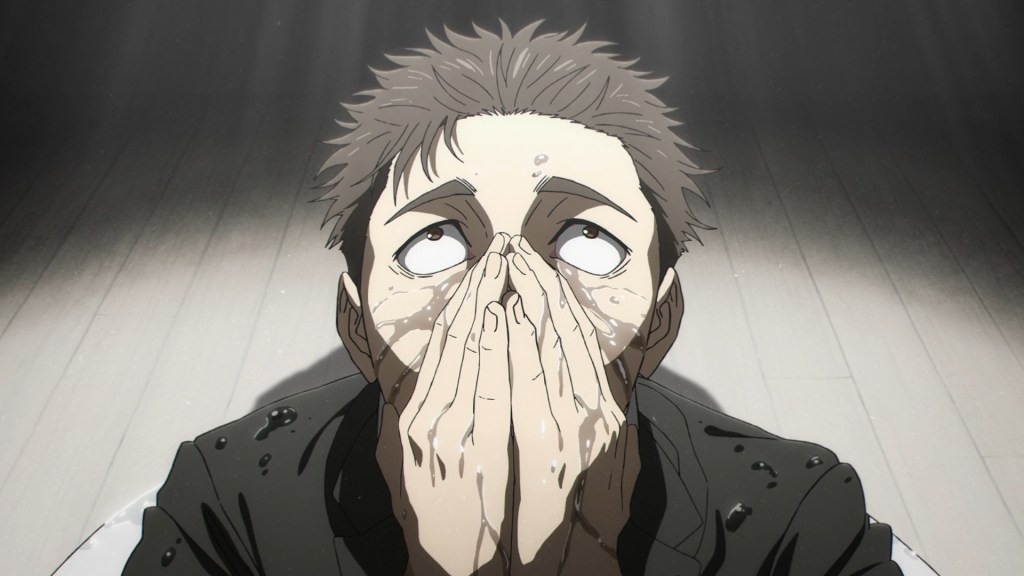
Than you give this material to the superior visual storytellers at Mappa’s Seshimo line and everything is dialed up to 11. Shouta Goshozono… does not storyboard for the first time this cour, this is the first episode his hands weren’t directly involved in, instead being the work of Yousuke Takeda. Luckily this man is the series’s assistant director and seemingly a monster talent in his own right, producing something better than most of Gosso’s output this season. Cinematic was his angle, not just in the aspect ratio but in how straight he plays the story, not indulging in many anime style exaggerations until the very end. People and places are the primary focus, Kouhei Imai at Higashi’s Studio Easter leading the sumptuous art direction whilst CAD Yousuke Kojima and AD Yazhi Lu maintain a freakish attention to detail for the characters full of sharp clean lines and wild expressions.
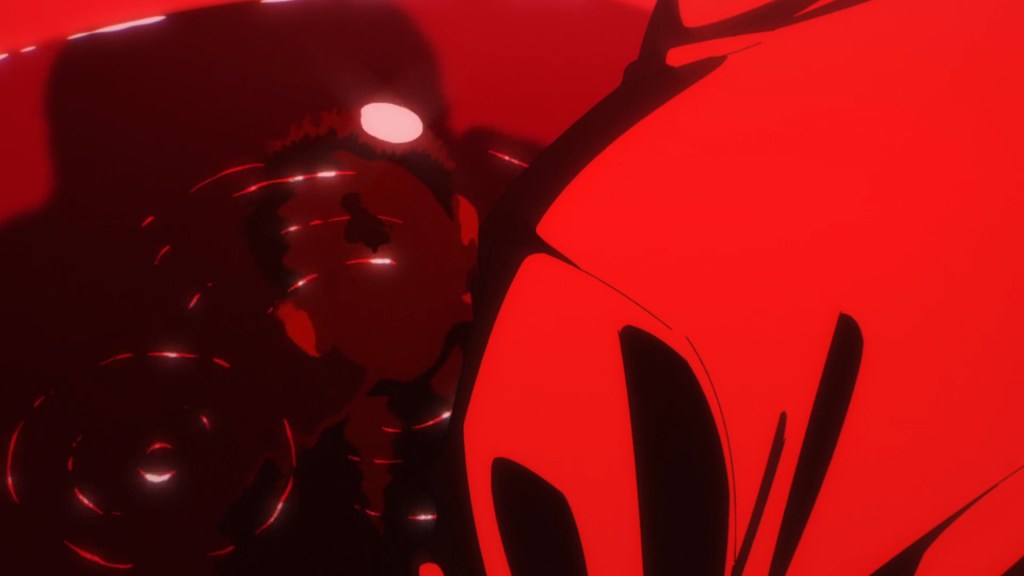
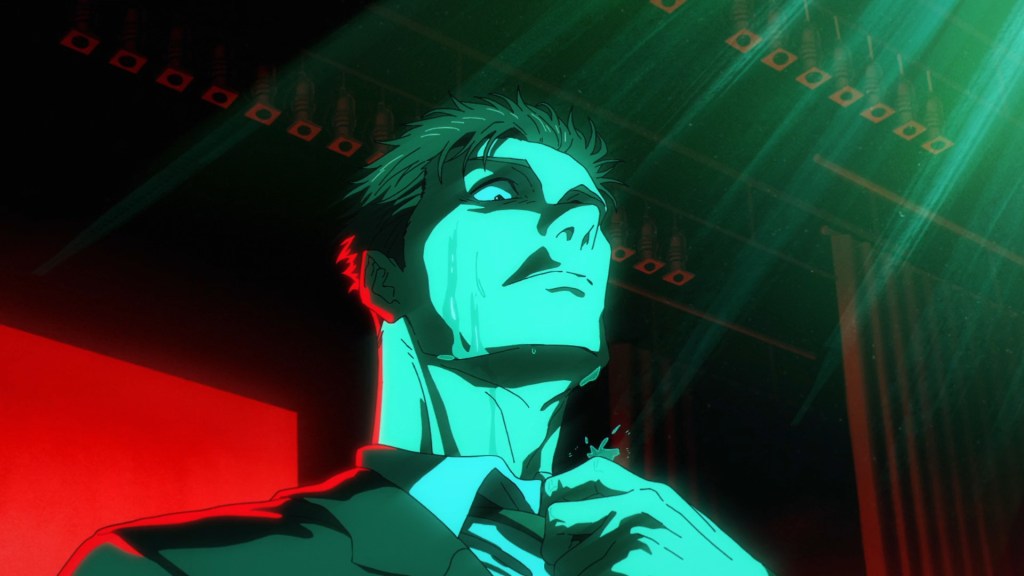
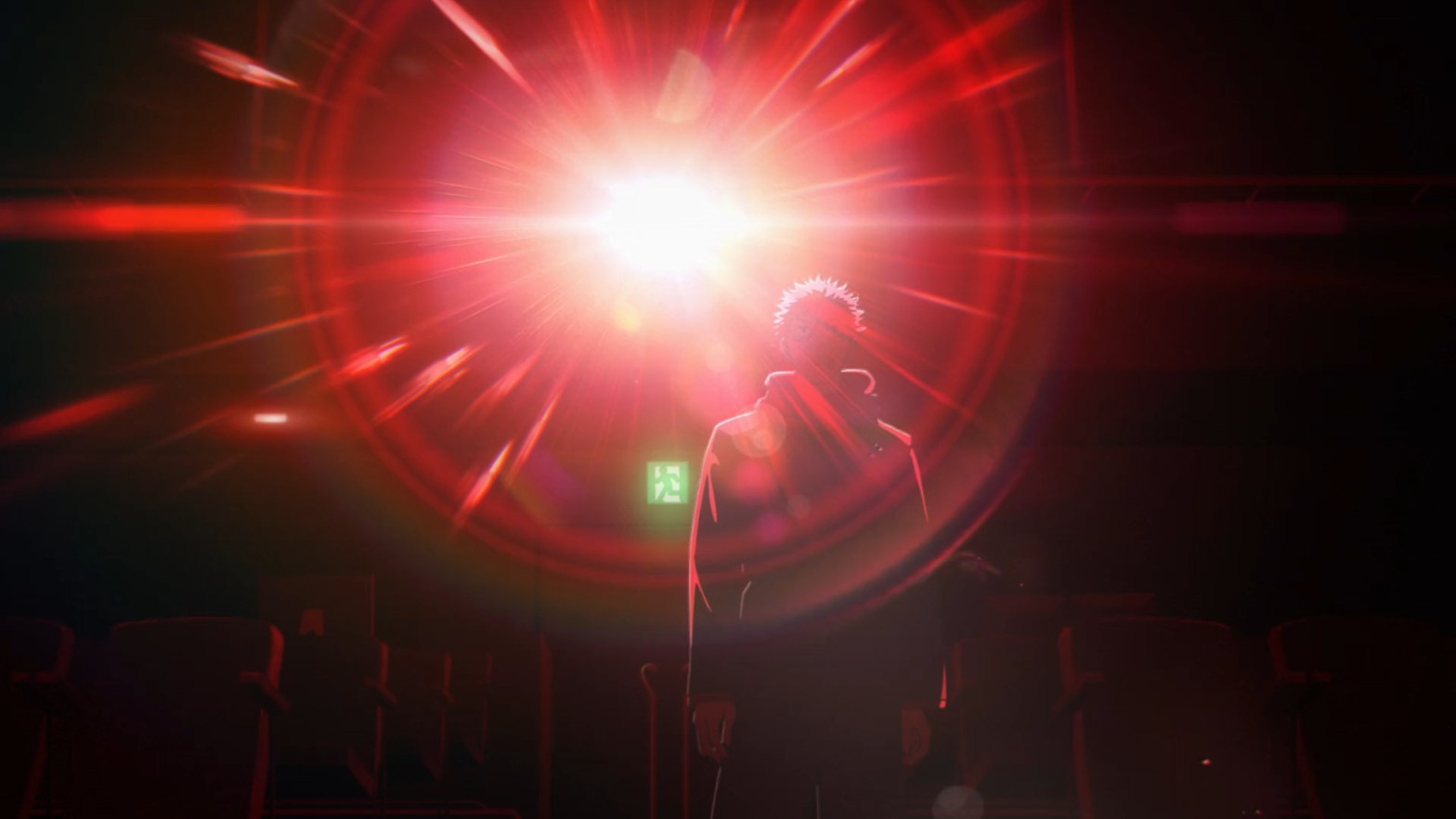
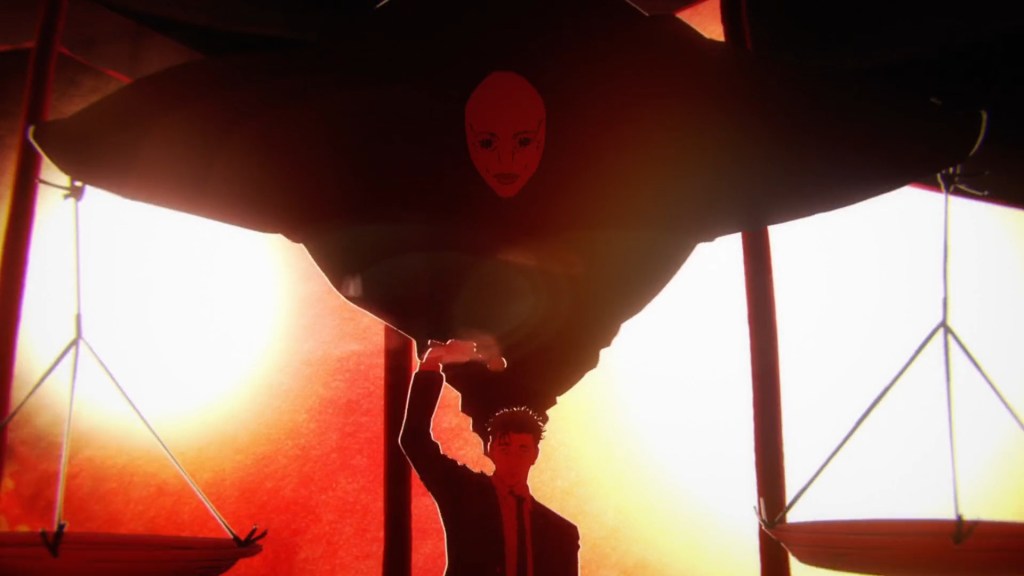
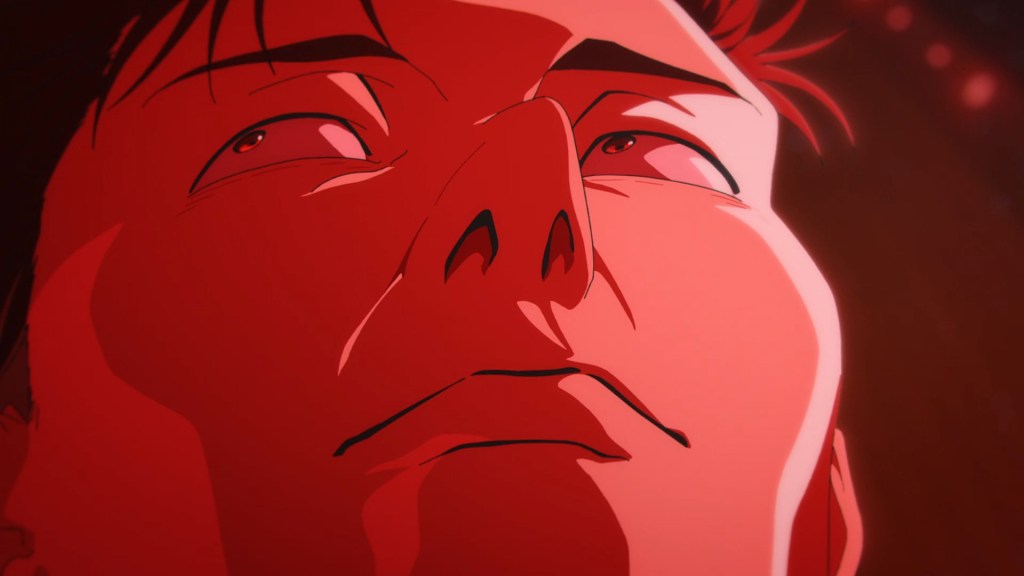
This is visually speaking the most grounded episode of JJK period whilst still having an artful pop to the color design, even in the grimmest of grays and whites. The carefully composed and paced rigidity of the direction feels suitably exhausting before giving way to a theatrical finish when the cinema that Higuruma and Itadori meets in starts to project crimson and green, drowning them both in exaggerated color and shadow as the animation turns very specifically anime in it’s thrashing dying moments. As a piece of art this is the most robust an anime episode can be, every element so perfectly cohesive to director Takeda’s vision who in turn has brought the manga to life. He did a fantastic job as the first person to follow in Gosso’s footsteps this season but just as enthusiastically he was not the star of this episode. It’s time we talk about why this episode’s production was truly special, it’s time we bring in Article 3.
Kouki Fujimoto is probably my favorite animator, period. He is an animator so powerful that the second time I ever saw his work I simply didn’t believe it was real because at that point the craft of Makima walking into a warehouse with THAT level of fluidity seemed impossible to me. It still does honestly, the term fabric animation is synonymous with that cut in my head and that’s not even his most extensive showcase of it, nor is it his greatest talent. I first became actually conscious of his individual artistry when Frieren S1 made him their action ace and his style defined a anime of that caliber. He is an acting specialist, a master of the human body and how it moves which is probably why he’s also a master of the clothes that drape bodies too. When he animates a character they gain such nuance and fluidity to their body language that it basically always feels like he’s rotoscoping instead of simply referencing for his work, that is how real his animation is. For Frieren that gave us some of the most satisfyingly clear action choreography in recent memory, with his opus of Episode 9 being so centered around his animation he straight up storyboarded and directed his part, a first for him and a astonishing success that put him on my map so that when I rewatched Chainsaw Man S1 I could put his name to his cuts, bringing my admiration of him full circle. Those two works are mainly why he became my goat, at least when it comes to realistic acting and fabrics. So I say without hyperbole that a solo KA from him is kinda just the greatest idea in animation history, after of course the invention of the ODM Gear for AOT.
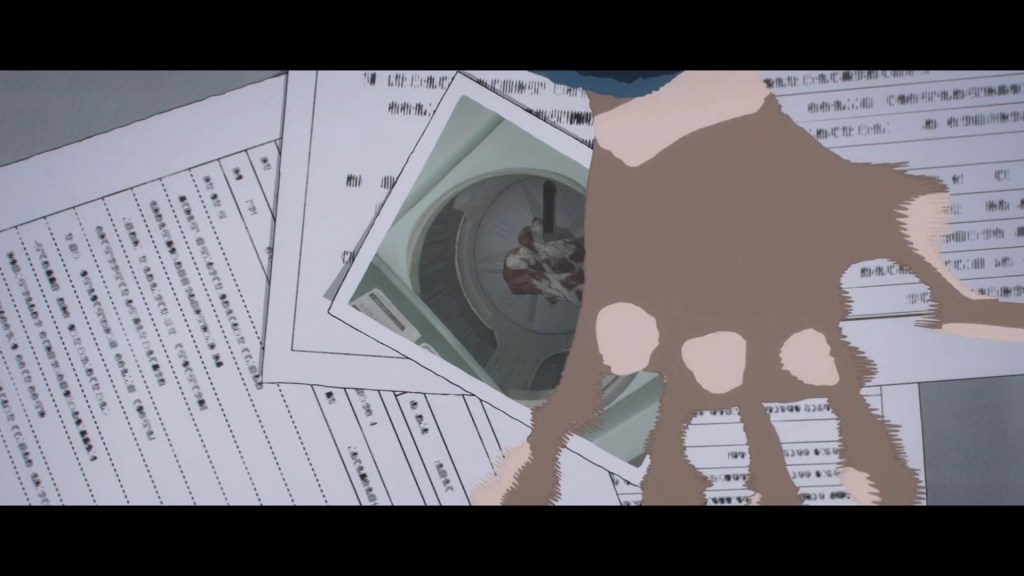
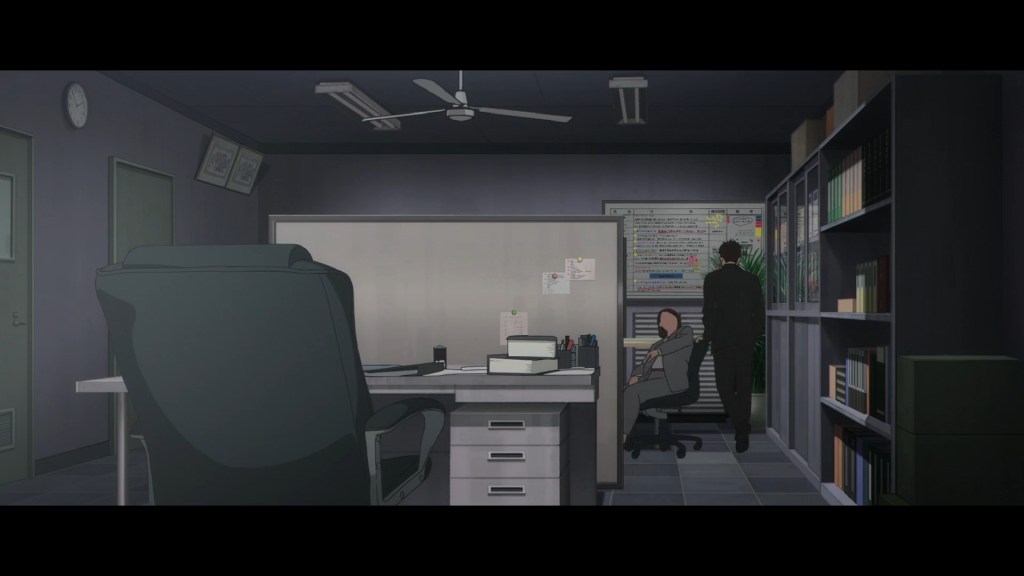
Everything about the episode’s story and direction are served by his singular animation prowess as his acting make’s every single character and movement feel so casually real, from the way a suspect desperately runs from the police to how Higuruma playfully spins his assistants chair as they talk, it is all so simply human and living and normal, if animation of this caliber could ever be considered normal. As I write this a debate is going on about how real this animation actually is as nobody seems confident to declare that rotoscoping was or wasn’t used. Kouki Fujimoto is credited for acting reference in the episode alongside a parter and to my eye’s it seems pretty obvious that he indeed rotoscoped, the aforementioned cut of Higuruma spinning his assistant just screams this technique but the simple fact that this is debatable say’s enough really, whether rotoscoped or reference Kouki Fujimoto‘s animation is so good that you kinda just believe he can do all this extremely specific work himself. If it get’s confirmed that he indeed is just that good than man I don’t even know what I’d think other than being thankful he was given the time to truly live in his craft for an entire episode.
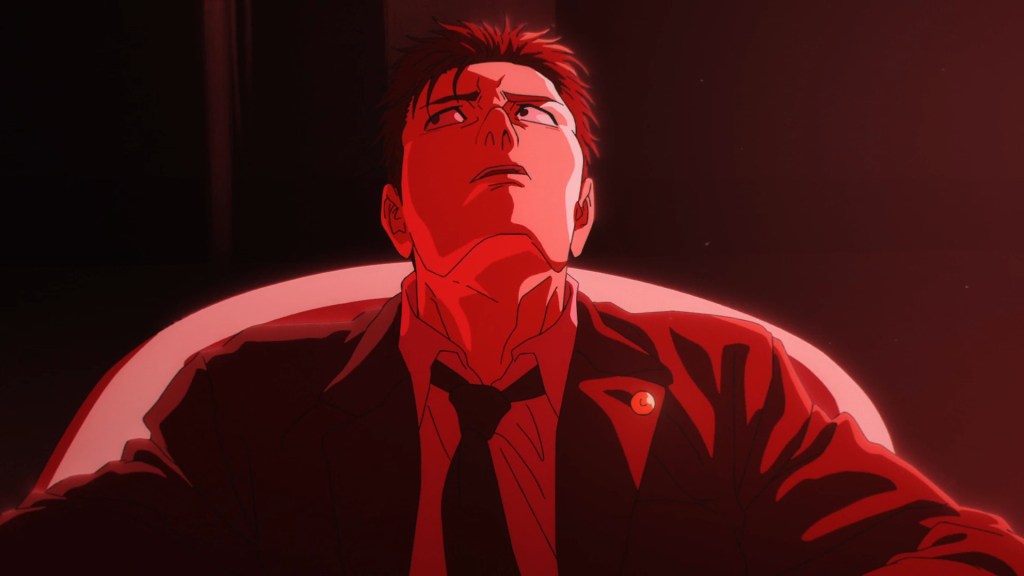
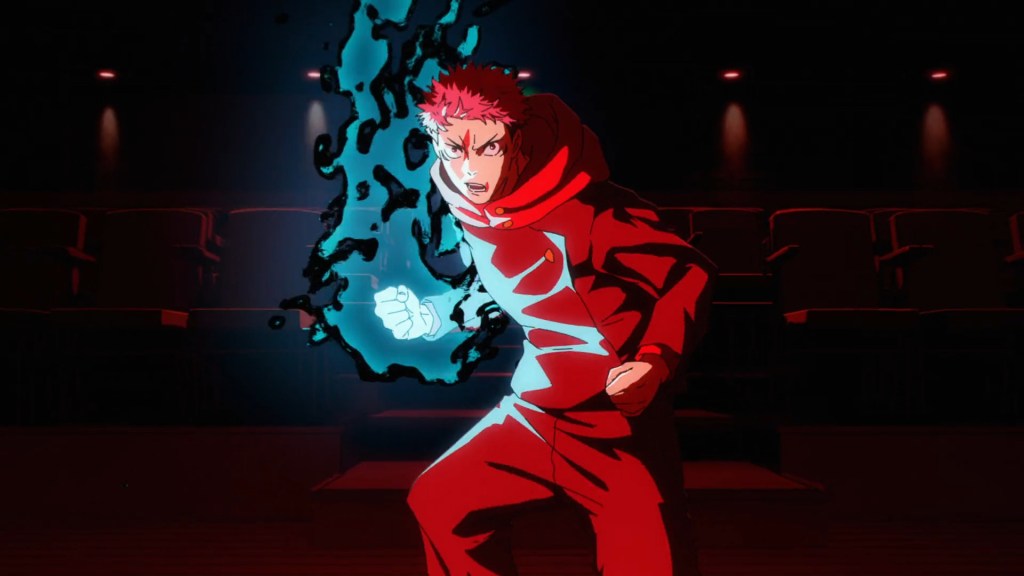
It’s not just the living breathing acting that makes his efforts truly profound but in other moments, none morseo than the swing scene. Kouki Fujimoto like’s smears and so they’re all over this episode naturally but when the script hones in on Higuruma being asked the question of how is he holding up mentally that smear effect comes in through a kid on a swing, flashing back and forth across the screen in a repetitive motion, blatantly evoking the concept of a pendulum when Higuruma’s mind is at it’s most on edge. Kouki Fujimoto is the true star of this episode, it’s greatest actor both figuratively and literally and the reason why it will effortlessly occupy a space in my mind as a true embodiment of cinema for the small screen. Thanks boss, now I can only pray to see you on Frieren in the coming weeks!
Jujutsu Kaisen can currently be streamed on Crunchyroll or purchased as single volumes from Viz.
 The Manga Meets Moron Blog