AN ANIMATED STORYTELLING IDEAL
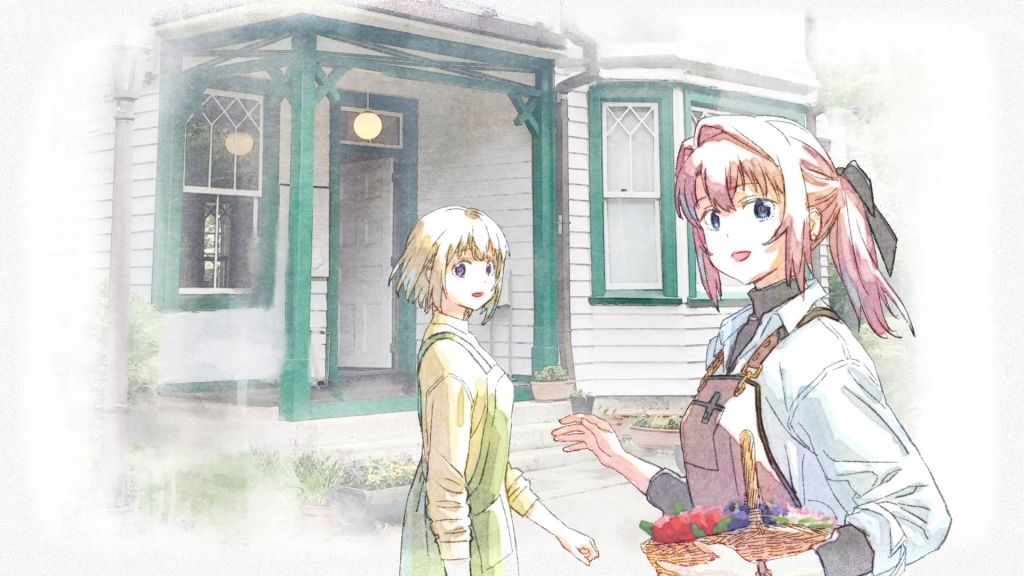
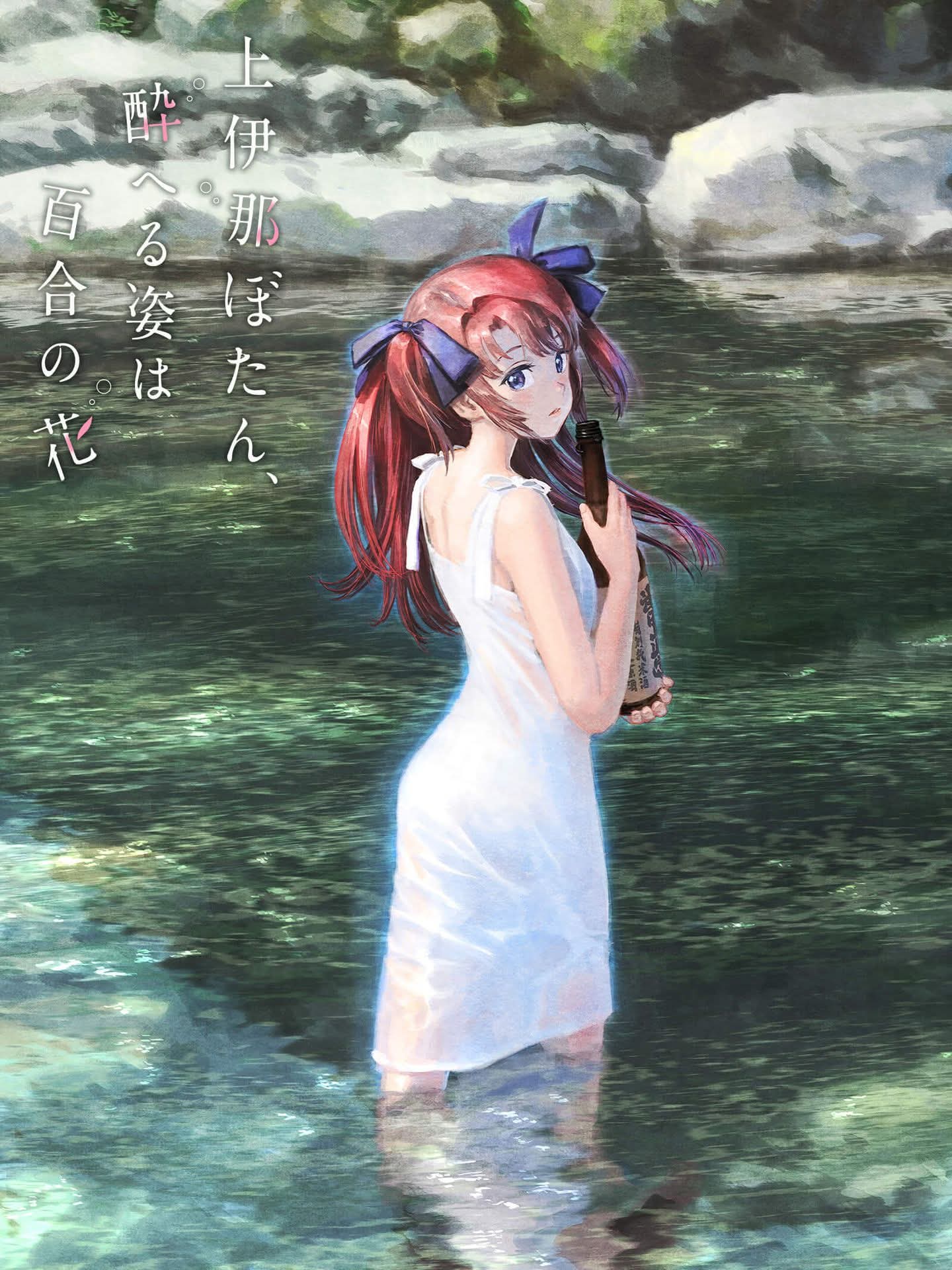
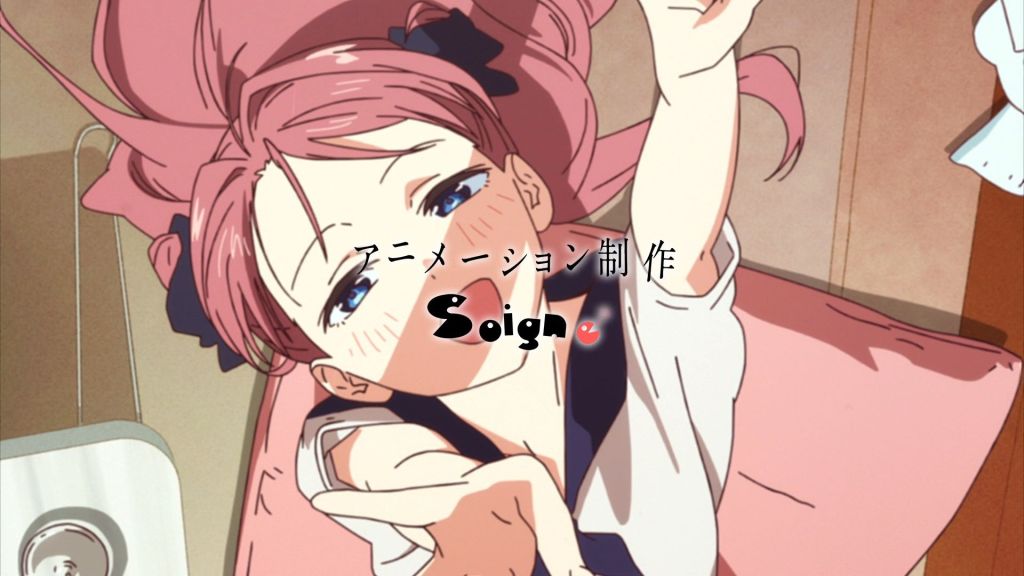
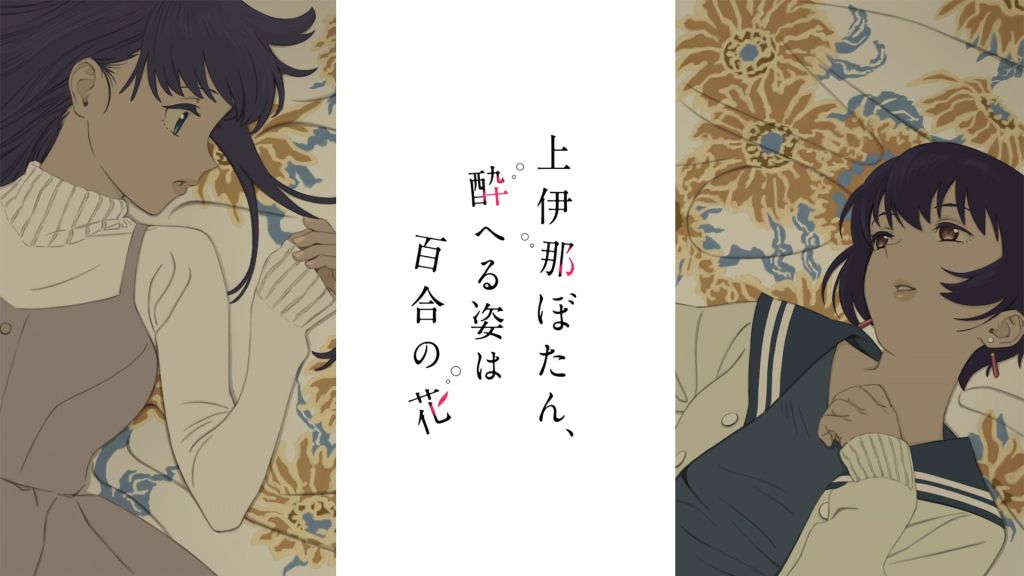
This adaptation of Hey’s 2019 manga was directed by Takashi Sakuma and written by Youko Yonaiyama at studio Soigne and premiered in 2026.
SLICE OF A LIFE
Kamiina Botan Fully Blossoms When Drunk could’ve been just another anime, produced to fulfill the cute girls doing cute things SOL niche that is highly marketable in today’s era of mass production. Its peers certainly are, for all the gorgeous artistry and enjoyable casts they offer works like Akebi Sailor Uniform, Ruri Rocks, and studio Soigne’s freshman outing Mono are vapid, style over substance vibes affairs that aspire for nothing greater and achieve nothing that’ll put them in the history books. They are good productions but not purposeful one’s, in no way are they an example of animated storytelling that yearns for anything beyond momentary comfort and there’s nothing wrong with that, I enjoy most of these affairs(Akebi being the outrageously boring exception to the rule). The thing is, slice of life animanga can very well be the greatest genre around as their intentions lie solely on depictions of life with character as their almost sole focus, the greats never losing sight of their heart amidst the sounds of laughter and the beauty of the worlds they exhibit.
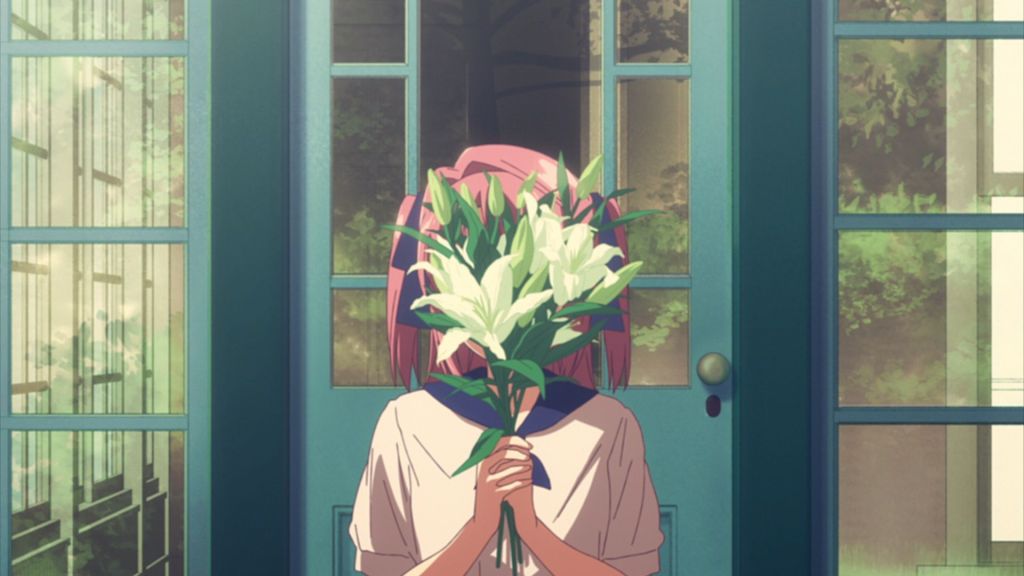
The greatest manga ever made is Kentaro Miura‘s Berserk, it’s artistry has no comparison but my favourite is Kozue Amano‘s Aria with its soul lifting tale of growing up amidst your dreams and choosing every day to live life to the fullest. Naoko Yamada is my favorite anime director and while her career reached a zenith of renown with the serious melodrama A Silent Voice her actual magnum opus is K-On! and its bubbly but much more subtly truer portrayal of youths’ many anxieties. Slice of life anime doesn’t need a point, I know my own life lacks one but good storytelling hinges on purpose that informs character, progression and audience interpretation that’ll be the anchors for a story to stick beyond its sell by date. The good news is Kamiina Botan does have a purpose, the questionable news is it’s nothing short of turning the entire anime industry on its head and cementing an ideal very few will have the bravery to pursue. Kamiina Botan chose not to be just another anime.
WHAT IS ANIMATION ALL ABOUT ANYWAY
So, quickly, what’s the point of animation anyway, why has it captivated so many people for so long and been chosen as the de facto artistic export of Japan. To me animation is unreality, it is a true blank canvas where everything that can be imagined can exist as long as one has the talent to draw, one of humanity’s oldest artforms. Animation goes the next step above painting though as it can be reactive, it moves and breathes in reaction to the story it’s trying to tell in a way that is equal parts freed from reality and chained to the labour cost of satisfactorily replicating it. You can draw more exactly than a film camera could ever achieve but it’s also inhumanly costly to achieve that effect, forcing carefully managed compromises and creative shorthands. Anime at its best is animation at its pinnacle of expression, the problem being anime is very rarely at its best due to the broken fundamentals of this industry. Anime right now is at its peak when it comes to quantity of quality material to choose from, it is also at its most broken and compromised.
Mass production is fragmenting this industry, exasperating problems as inherent as training and paying staff appropriately, throttling opportunities for creative expression through a never ending stream of content(Isekai is the current trend) that require massive amounts of labour but in most cases leave us with net zero artistry to appreciate given how everything looks the same. Anime is more homogeneous than ever and with ever more coming in an endless pursuit of cheap profit the canvas that is animation has found less and less opportunities to shine for the sole purpose of itself and the storytelling power it offers. Animation should be able to be whatever its creators are passionate about, in whatever form that ends up being. When it comes to raw visuals animation doesn’t need to abide by rules and that ended up being the philosophy Kamiina Botan explored.
PUTTING THE ARTIST BACK INTO THE ART
Individuals draw animation and so these individuals, artists we call them, were given the responsibility of making Kamiina Botan anew each and every week. Not as in they had to draw every scene because duh that’s how all animation works no the individual creative leads of this work were given the express goal to define Kamiina Botan in whichever way best fits their individual vision. Artistic cohesion, a standard to pursue for most productions, was thrown out the window in the name of pure expression. What that means in literal terms is that series director Takashi Sakuma drew the storyboard and directed episode 1 of this series and then evaporated into thin air, never to appear again on an episode. Kou Yoshinari, an absolute legend of the industry, was given the role of character designer, defining the shift from Hey‘s original manga cast to their animated versions for the other staff of animation directors to supervise and correct… is what I’d say if this was a normal anime.
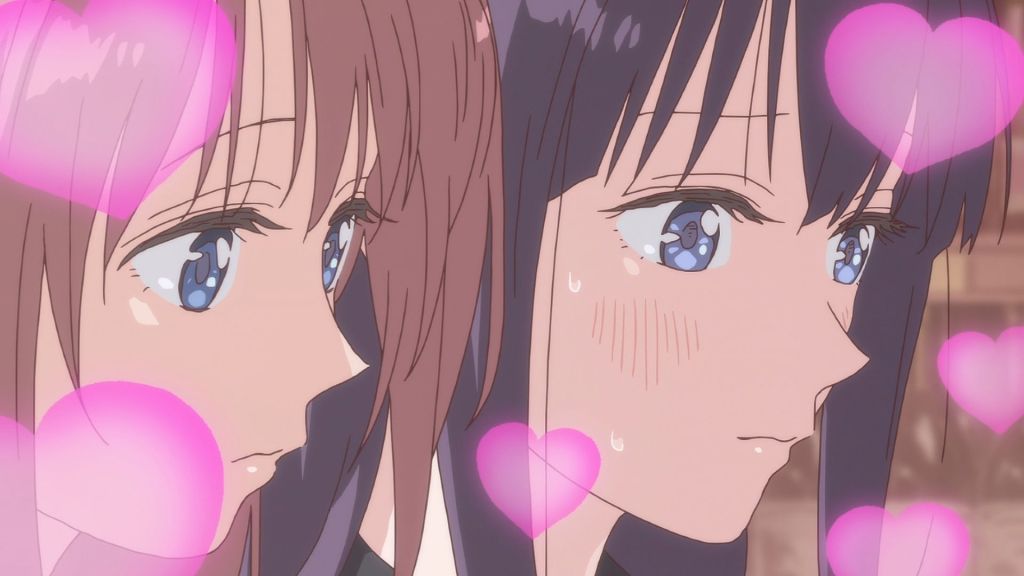
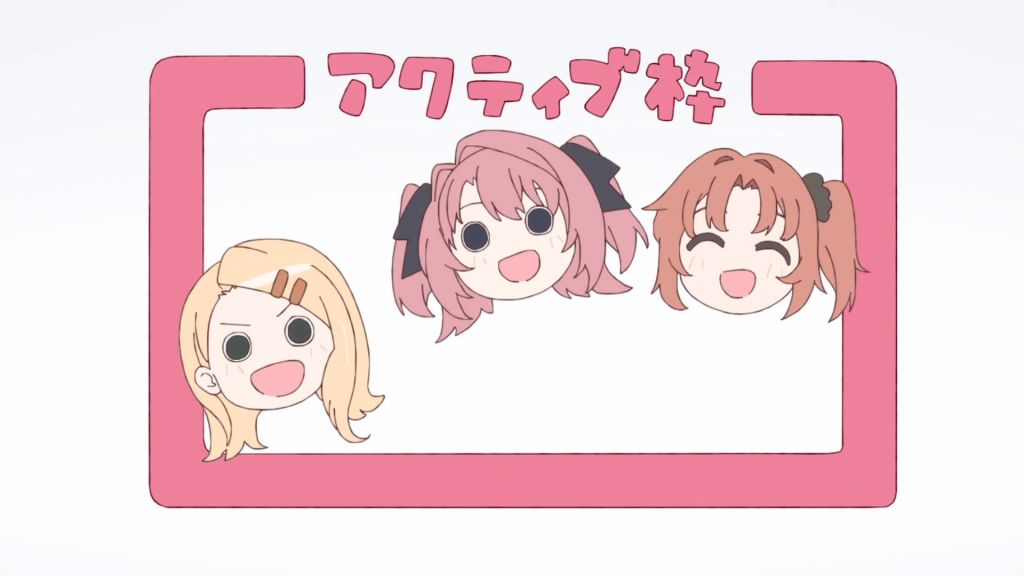
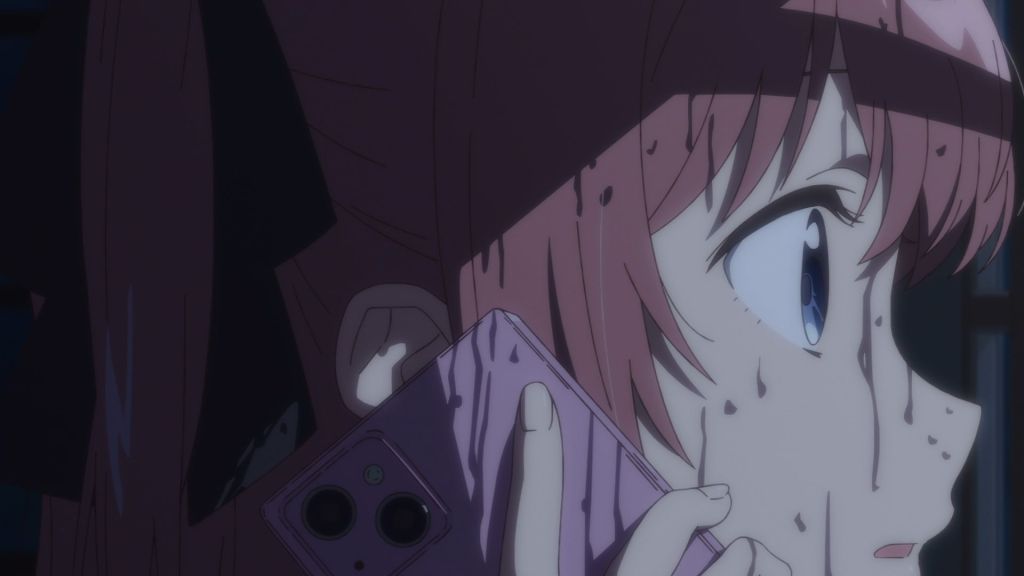
Kou Yoshinari worked very hard each week solo animating every individual ending while his main role was made symbolic because not a soul followed his model sheets. Week by week our cast of drawings understandably if unusually morphed into the shapes of their artists in a way anime exhaustingly works to avoid, the 30+ AD’s who worked on Agents of the Four Seasons finale a testament to how even at crunch time drawing consistency is paid for at great cost to all. In Kamiina Botan our cast changes from the cute, well proportioned, designs of Miyachi to the rounded, inelegantly lanky designs of Yuusuke Matsuo to the scribbly goblins of Gin-san in a span of 3 episodes flat, looking barely like themselves and being twice the fun for it. This ambitious freedom wasn’t fully realized, the finale totally lacks even episodic artistic cohesion because it required everyone aboard to finish and Hironori Tanaka‘s attempt at a solo effort crashed and beautifully burned in an outright unfinished showcase. But, it tried, it mostly succeeded, and even at its lowest it’s still more expressive than just about anything else on television.
THE GREAT MELTING POT
You see all these choices point towards an artist forward production, one all about pushing the bounds of artistic expression and leaving the normal restraints off to table. What that earned it was a seemingly endless display of powerful voices making themselves heard each week in a dialogue so much collectively richer than any adherence to a singular vision could offer. Shouta Goshozono and Yuichiro Hayashi both lead high profile productions at Mappa earlier this year with an impressively strong effort at solo storyboarding their entire respective seasons of anime. Hayashi’s Dorohedoro has always been this way so the sequel’s unquestionable improvements mainly came from the more advanced pipeline whereas Gosso’s Jujutsu Kaisen Season 3 did feel vastly more refined under his singular vision, it is the “best” looking show Mappa has ever made. It is also not the “greatest action production ever” like JJK S2 was to me because of how focused and in a way homogeneous its story unfolded, it’s animation, more refined and half as personal. Gosso’s is the best, his choices made JJK a truly great anime but he’s also never handled an episode as good as Arai and Sunkanohara’s Red Glare or the monster that was Thunderclap Part 2. In making Jujutsu Kaisen better he chose to limit the amount of hands that could inform and empower its telling, S3 was a wonderful experiment that I hope that franchise never tries again.
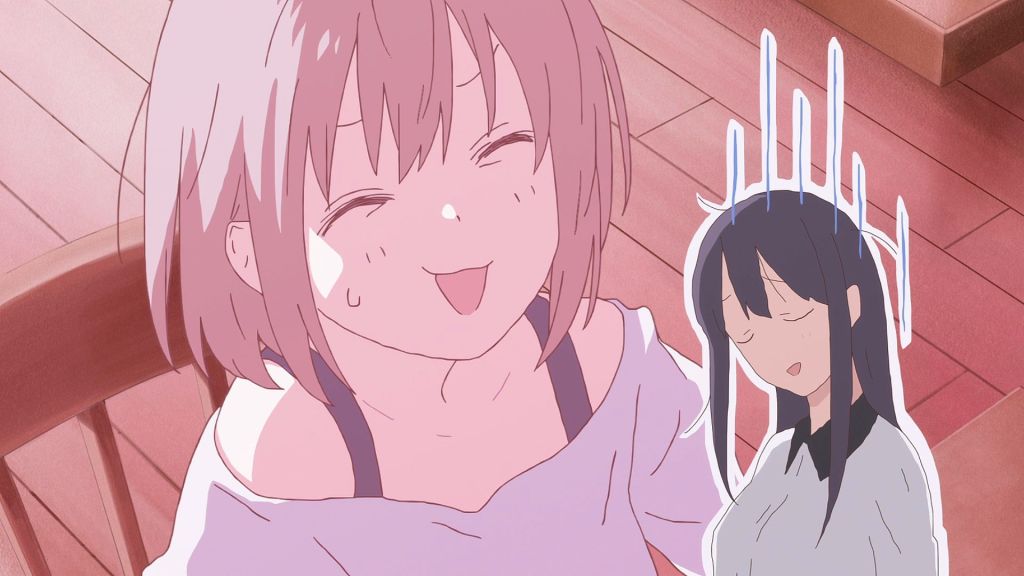
Kamiina Botan actually took a minute to get my attention, Takashi Sakuma‘s premiere was very standard and while episode 2 under Yuusuke Yamamoto was a more softly moving tale the main star was Yuusuke Matsuo doing all the animation, like, all of it(aside from the oh god I’m not counting amount of in-betweeners, the backbone of this industry). It is kinda telling that one of the weaker back half episodes was 7, another Yuusuke Yamamoto storyboard, more of the same in a story that only truly comes alive in its chameleonic changing of colours.
GIN-SAN
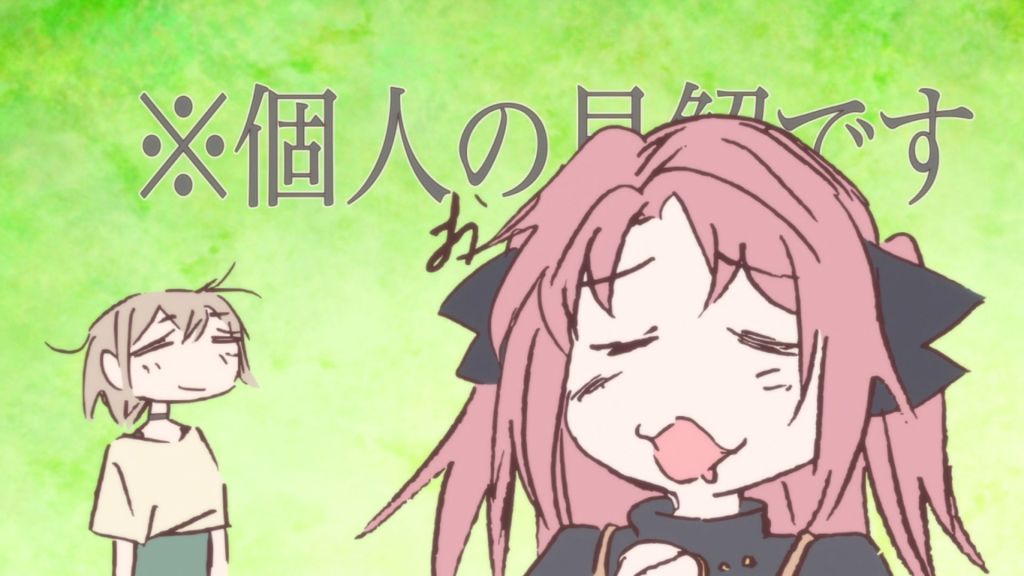
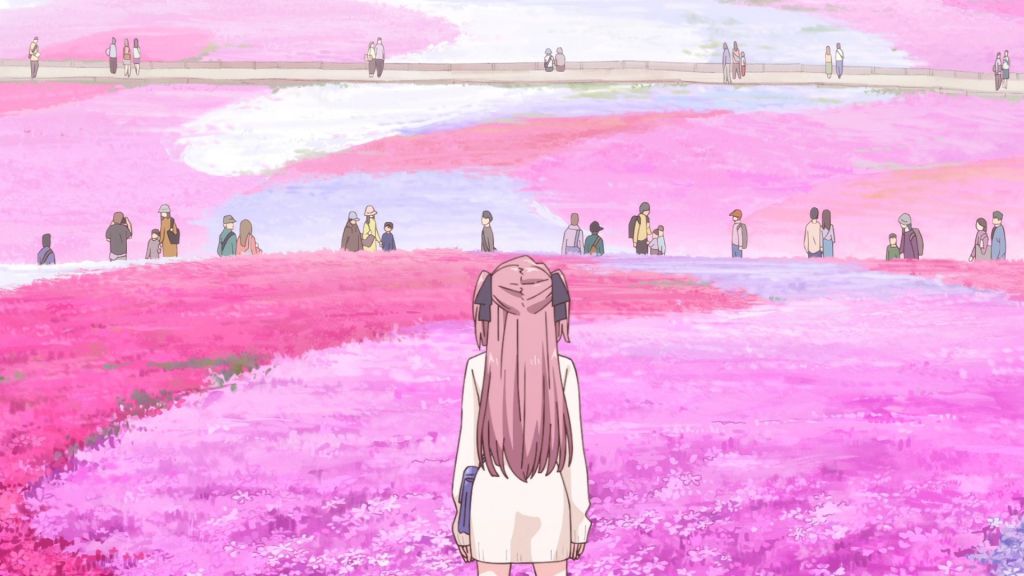
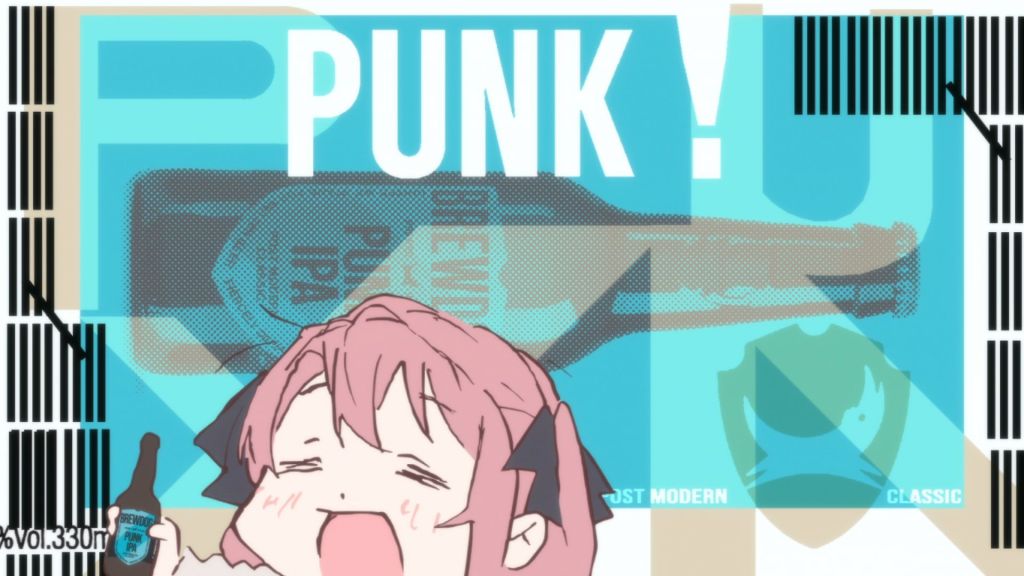
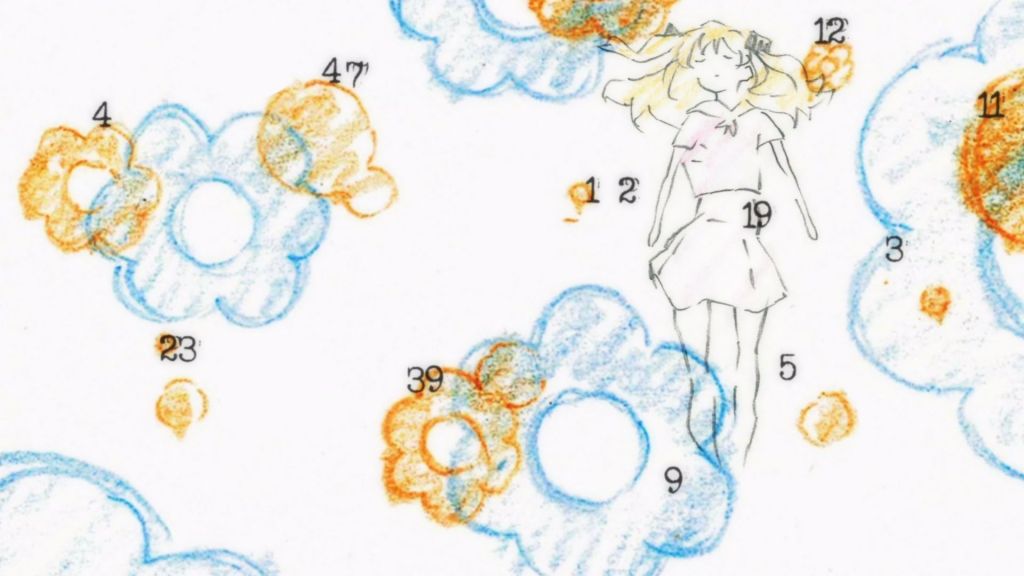
Gin-san was the one who really signalled this was gonna be something special and I don’t remember a single thing about Gin-san‘s episode 3 storywise. His episode is the series first grand achievement and also one that showcases why not every anime can follow this series’ philosophy because at the end of the day some stories need to be told consistently and clearly. Kamiina Botan though, the alcoholic yuri slice of life, yeah it can take a week off from attempting anything serious on a story front and just go ham with the most insanely wacked drawings I’ve seen in basically anything, packaged up in the distinct and decidedly weird Team Shinbo SHAFT house style of direction, a deliberate homage since director Katsuya Shigehara does not in fact come from SHAFT. The characters look so weird and wonderful under Gin-san‘s eclectic pen and his own small recurrences on the production became a delight given how charming his drawings are, they above everything else define this work as a love letter to drawings and animation itself in any shape they take. Of course those early peers I mentioned also flex their artistry, maybe not as expansively but Ruri Rocks and even Mono for sure moves better than Kamiina Botan does. Ruri Rocks though isn’t a story, it’s half mineral based edutainment, half Shingo Fujii get your rocks off to the fattest ass in anime power hour. Mono had a story and characters… probably. After Gin-san‘s delightful distraction though, Kamiina Botan reached its final form. It wasn’t just all for show, the show was itself in service of a story that would actually say and do things with its characters and render itself unforgettable.
BOTAN KAMIINA AND FRIENDS
The titular Botan Kamiina is the cutest girl in the world and she knows it, her friends know it, heck the staff knows it since their solitary character design decision was to make sure she was always the baddest of the bunch. Botan Kamiina is also gay and not in the yuribaiting way I expected of this series, no she’s making sure to wet the metaphorical pasta of legend with her flirtatious tongue and bubbly personality, stealing the hearts of just about everyone without compromise, though incidentally. She does have an object of interest you see, RA of her dorm Ibuki Tonami whose basically her polar opposite, introverted to the max she’s the type to slink away from view when given the opportunity, never letting her guard down in front of others. Alcohol is the lifeblood of this story, the thing that brings people together and breaks down the barriers they hold and in such a story Ibuki stands out as the one person not willing to drink in front of others. She has some baggage with social drinking, when she was younger her tendency to hiccup after partaking was rudely put down by her peers in a casual, ill thought outburst but one that stayed with her all this time.
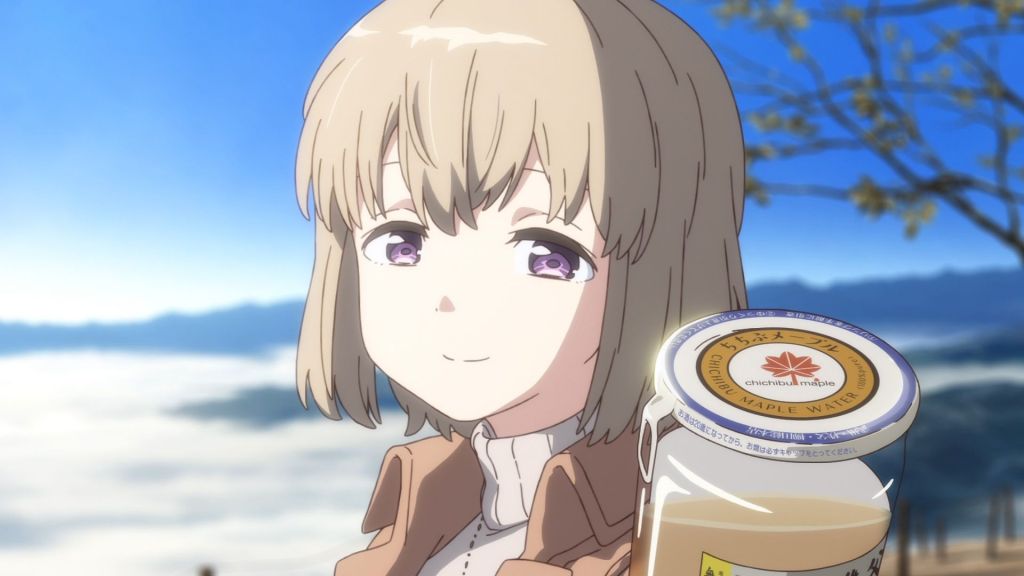
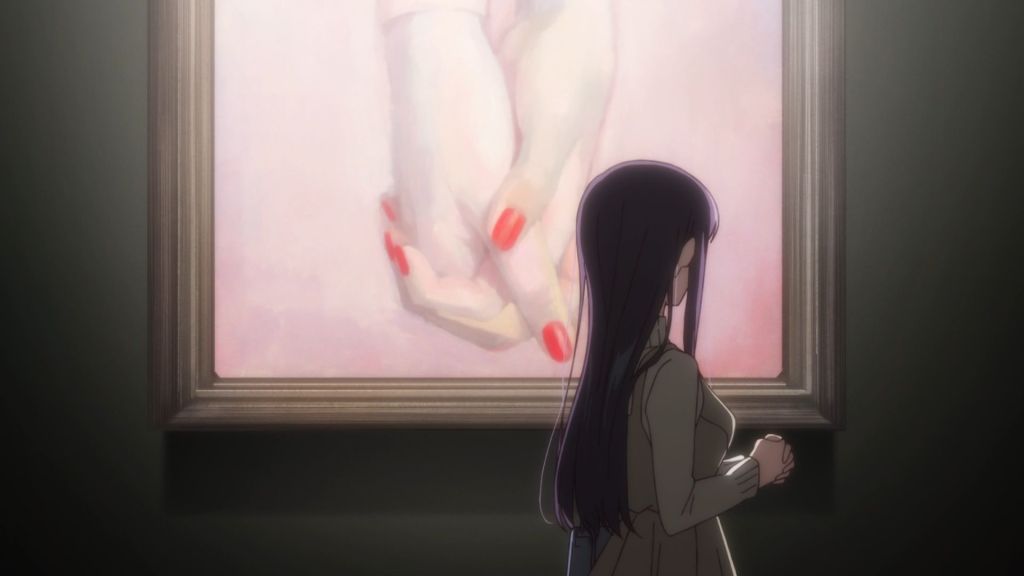
This solitary moment of social ostracization over something as insignificant as a hiccup has stuck with her even to her dorm days where she never drinks with her friends despite loving alcohol more than any of them. Her peer Kanade Gujou is similarly shy but she has her own issue, she’s in love with Ibuki and she doesn’t know what to do with these feelings. The distance between them is small, they are good friends after all, but the wall that is Ibuki’s inability to let loose in front of her feels insurmountable. Kanade Gujou is in love but she doesn’t know how to break it down the wall that separates her from her crush and lacks the self confidence to even try. The dorm they inhabit, as close and comfortable as it is, has become a cold and solitary place.
BUT MAINLY BOTAN KAMIINA
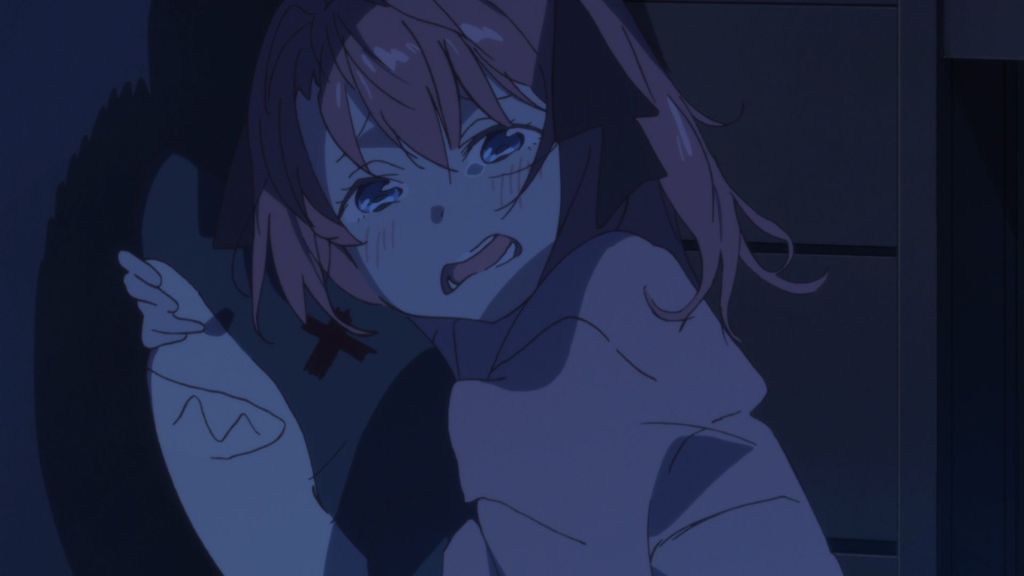
Botan Kamiina is the sun arriving on a new morn, melting down the ice that’s rendered everyone inside immobile and filling the dorm with warmth once again. This ball of energy quickly becomes the central engine for everyone else’s growth around her as they all begin to move on with their lives again. Ibuki first since she’s personally interested in her and caught her enjoying a cheeky drink, alone of course. Botan isn’t the expert alcoholic like her peers are and so seduces Ibuki into teaching her a thing or two, simultaneously pulling the girl out of her own shell. Their relationship is very gentle, Ibuki the more mature and stoic lass getting played around with by the loud and proud Botan who’s always interjecting a bit of innuendo into their conversations. Nothing serious obviously… but Ibuki blushes anyway and they definitely seem to be moving in a closer than friends direction. These two are noticed by Kanade with a mixture of jealousy and defeatist self depreciation, she’s happy to see Ibuki happy but she’s sad she isn’t the one in Botan’s place, she wants her own happiness and it looks like Ibuki is being taken away from that imagined ideal. Botan and Kanade get along very well though, any animosity is inward facing for the older girl as she contemplates what she should do next. Series Assistant Director Shuntarou Tozawa is the one who sets not just the plot in motion but the more contemplative, deeply intimate direction its best episodes later showcase. As storyboard artist for #4 and full fledged ED/SB for #5 he forced the series into its new path, one much greater than the summary ever promised.
FALLING IN LOVE
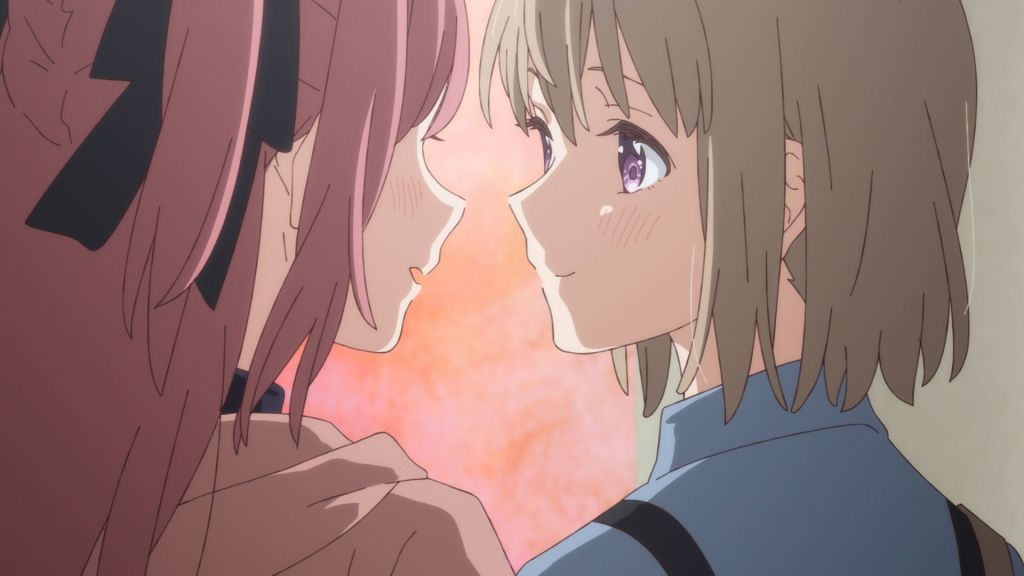
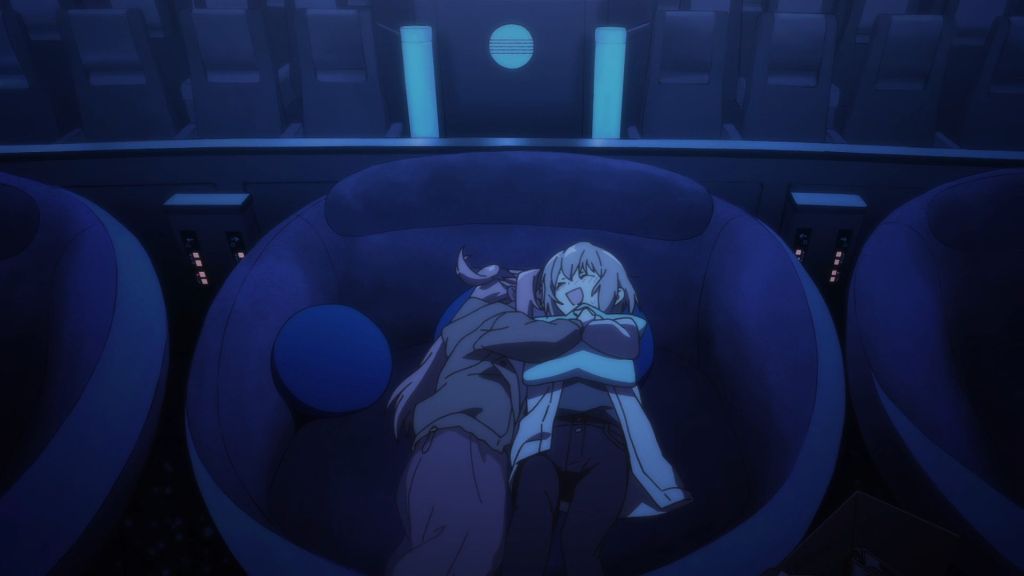
Kamiina Botan is the most full and intimate portrait of love in anime I have seen in forever. It’s a slice of life, it lives and breathes in the in between moments, it relishes basking in the flirtatious comments and the good, comfortable times that signal a life lived with another. It will dramatize certain moments for visual flair, the Shinkai climax to Ibuki and Kanade in Episode 5 is about as noisy as possible but maybe that was a sign that they never could be a thing, they could never fully calm down and enjoy each others presence. Ibuki first begins drinking with Botan gingerly, it was forced out of her but as they began to schedule their lives around each other, small adventures to the shops and natural landmarks surrounding Chichibu, she realizes the girl always there for her was making life beautiful again. The suffocatingly presented conversation about her trauma opened her up fully to Botan and when she realized that Botan accepted that part of herself she began to change. She begins to get excited about sharing a drink with Botan, heck she even gets pushed steadily into drinking with others but it’s that first one that slowly begins to fill out into something more important. Botan and Ibuki yearn for another man, they’re always thinking of the other, always wanting to be near each other, get jealous when someone gets in the way and eventually it becomes clear that the love is mutual. At that nexus the usually forward Botan finally hits her snag, she’s been the one pushing but now she needs a push of her own and thankfully an exchange student arrives just in the nick of time to spice things up again.
SPEAKING YOUR LOVE LANGUAGE
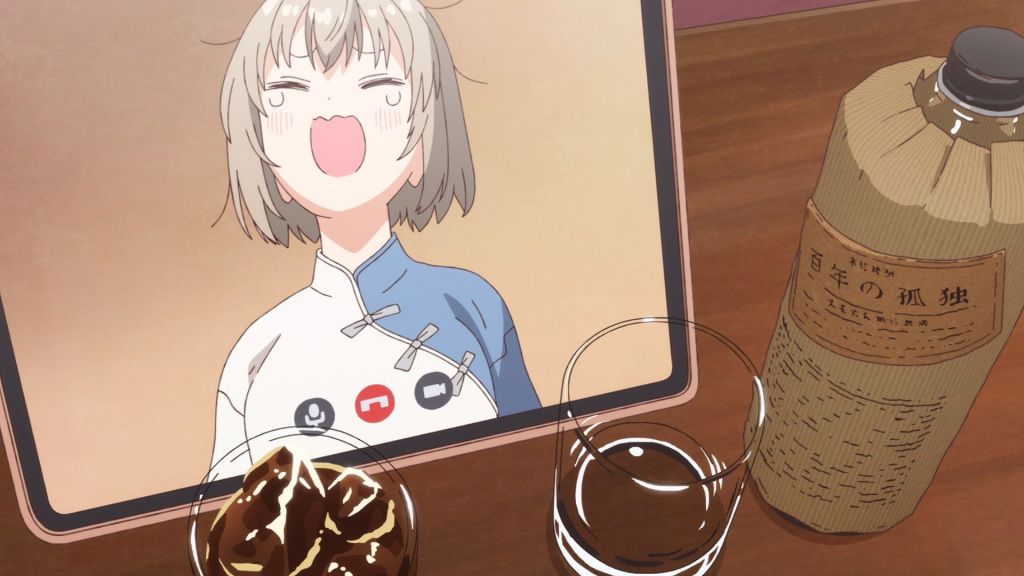
Chin-Lan is the Taiwanese exchange student that arrives at the midpoint of the series to really get things going with the plot, by which I mean she’s the gayest girl of the bunch and she’s gonna get what she wants no matter what. Her first option was the as usual instantly likeable Botan who she falls for faster than a speeding bullet but arrived just a second too late. While neither have made the moves yet Chin-Lan the outsider immediately recognizes the mutual affections of Botan and Ibuki and pivots into wingman extraordinaire. She actually gets the first explicit confession outta Botan and in return tells her straight up Ibuki’s thinking the same thing and with that good deed this apex predator of pretty girls finds her prey. Kanade Gujou is lost in herself, unable to move forward with the “loss” of Ibuki her emotions become a maze that stagnates her actions, she is at a standstill. For someone like her a push by an assertive and interested other could be the best thing possible and luckily Chin-Lan is on the attack.
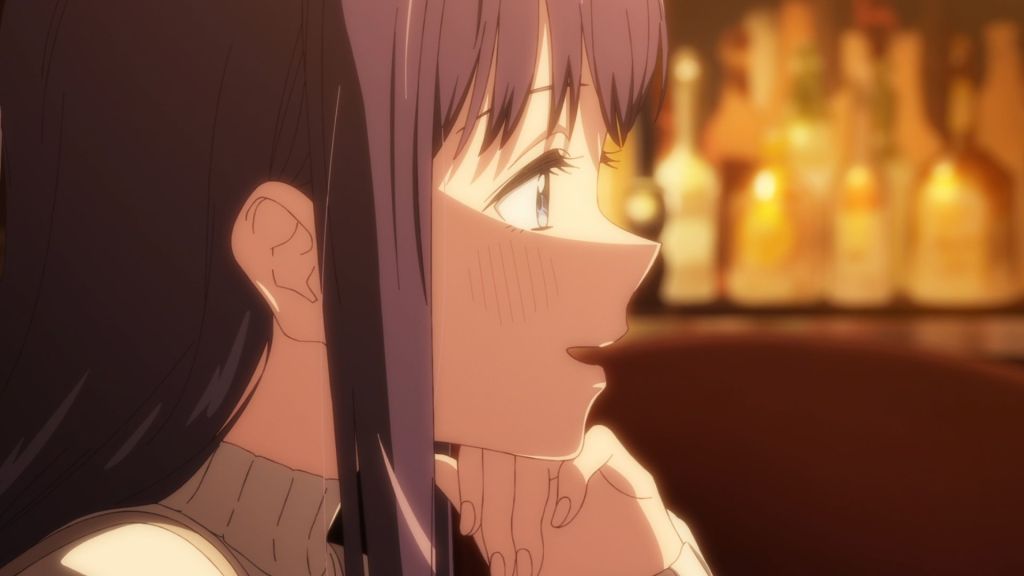
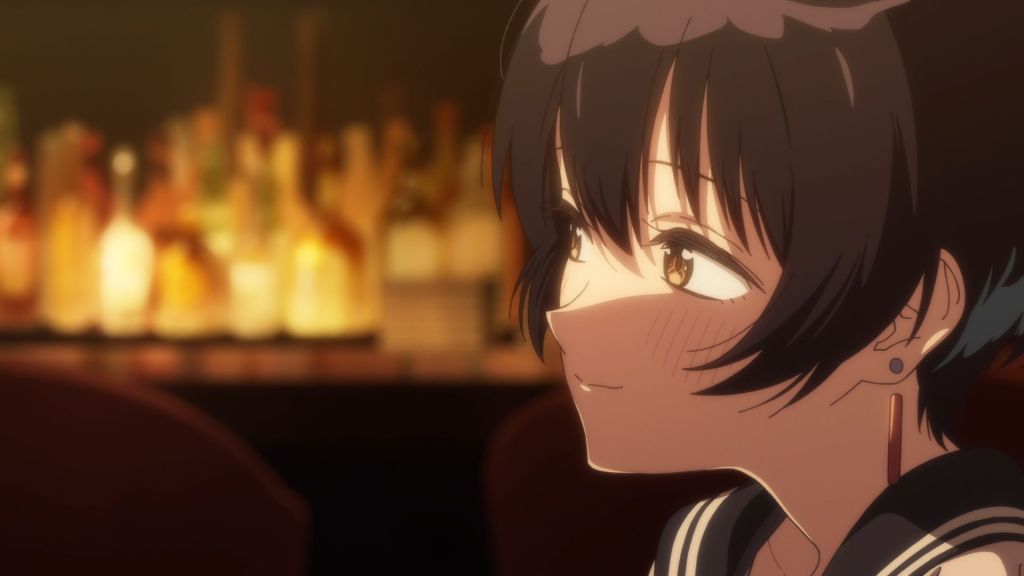
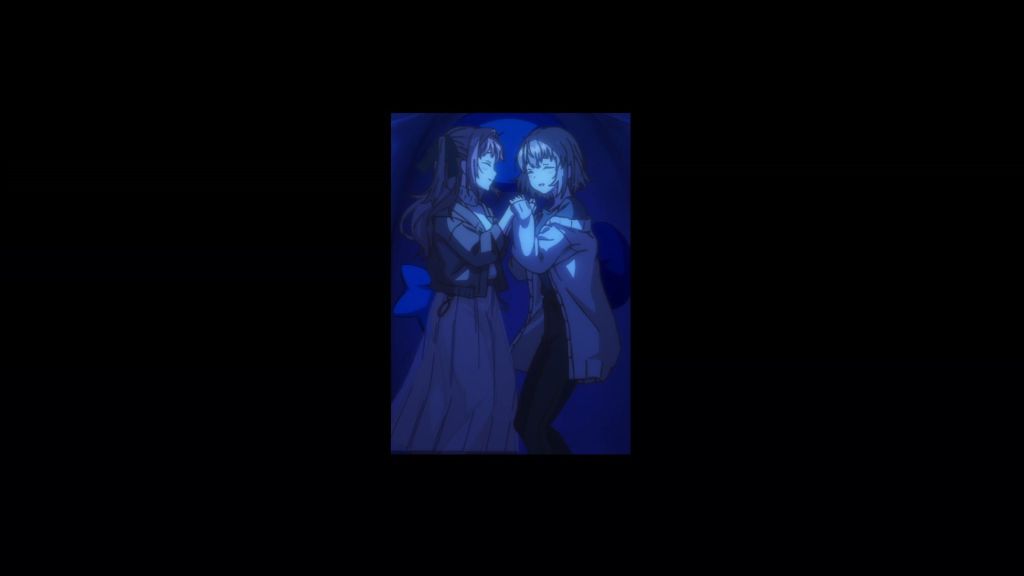
“I like you” she say’s, not once or twice but in basically every interaction, showering the older girl with the attention she always desired and beckoning her to reach out and grab her open hand. Kanade understandably is slow to move in this relationship but she does start moving, they quickly develop a rapport based around their shared love of the arts, film in particular. Their talks are easy, natural, full of mutual understanding over this passionately shared interest and so the gap is slowly bridged as Kanade comes out of her shell. She had to be lead and forcefully at that but eventually she did take some steps of her own into Chin-Lan’s world with Taiwanese film becoming their explicit love language. Cliche staples of the romance genre are absent in this work and it stands so much greater for its emphasis on slowly earned connections, the necessity of chemistry, and the fuller definition of shared love and life.
THE HONEYMOON PHASE
Katsuya Shigehara‘s Episode 6 and Shunsuke Ookubo‘s Episode 8 best exemplify the thoughtful progression of connection this series is defined by, their best moments grounding the aesthetic and tone into a more mature shape, letting the characters get close in quiet, intimate fashions. It’s these 2 episodes that declare Botan and Ibuki as an inevitable pairing and so Hironori Tanaka‘s Episode 9 arrived at just the right time storywise to not drag out this plot thread longer than necessary. Production wise it clearly needed more time, Tanaka’s drawings are as rough and unfinished as his storyboard and direction is beautiful. A focus on hands and a headspace always returning to Botan says all it needs to about what connection Ibuki desires, but interestingly neither of them will define exactly what this new relationship will be. They reach out anyway, sharing the star studded world the other occupies in their mind, dazzling and vast with potential.
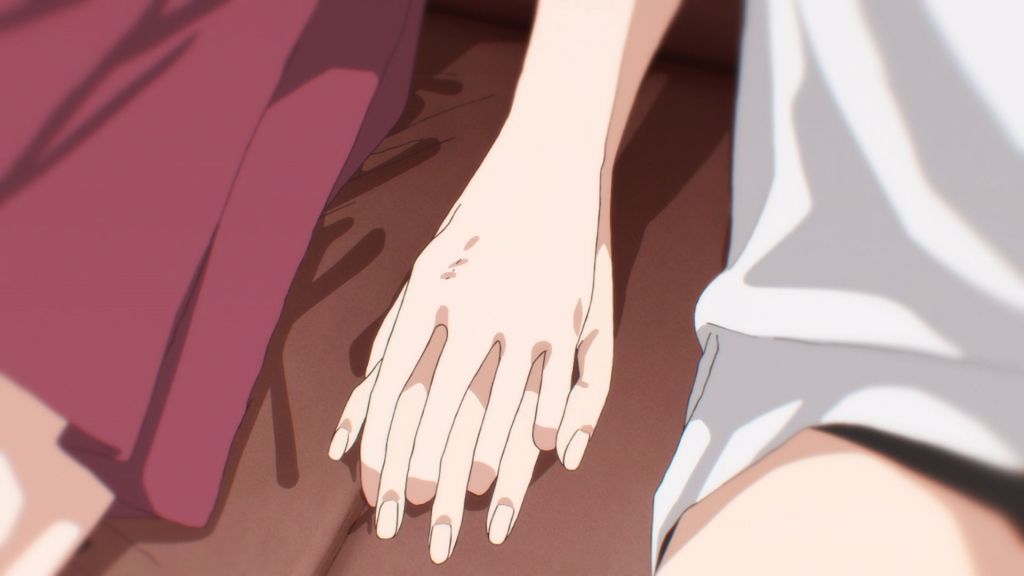
By Episode 9 Kamiina Botan has already passed beyond the threshold of friendship, confident it did enough to earn this, respectful enough to its characters and audience to not lead them along unnecessarily. That new thing obviously makes them both happier and more comfortable with each other, Botan picking up Ibuki’s hiccups without another mention of the pain they used to inflict as their laughter quietly rewrites the meaning of them. Episodes 10 and 11 center on Chin-Lan and Kanade, Yoshiko Okuda and a certain pseudonymed studio Deen employee continuing the thoughtful excellence of the series with moodily intentional direction as befitting their slow but steady progression. Amidst all these great episodes though is the solitary plot thread that would not end up going anywhere, I am of course talking about Akane and Yaeka.
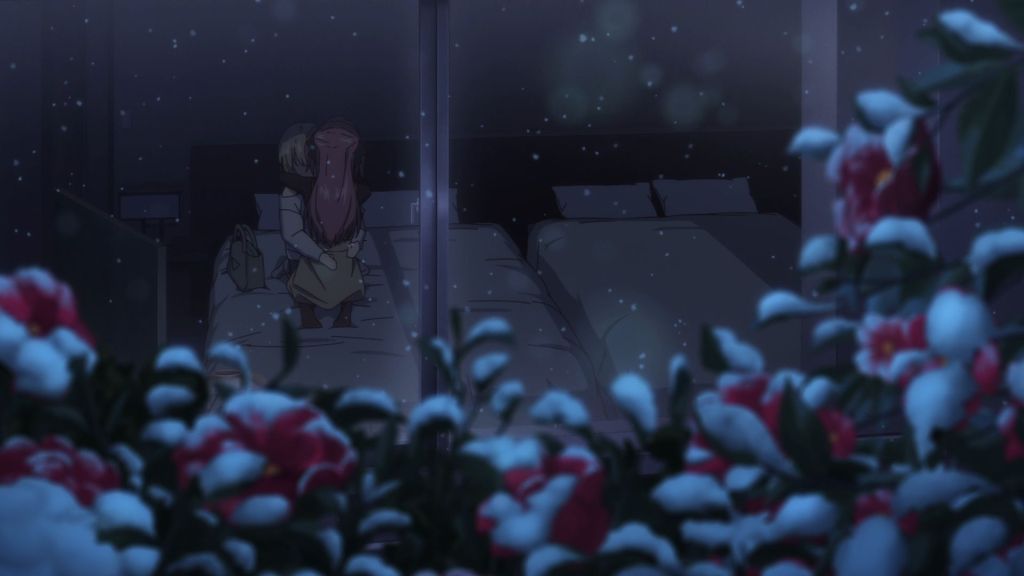
AKANE YUSA: POTENTIAL PROTAGONIST
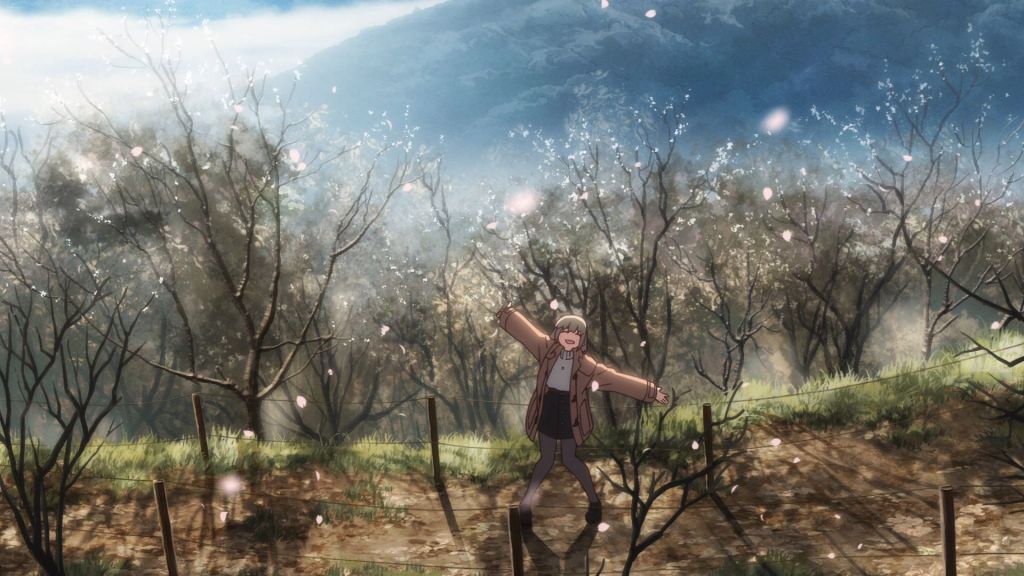
Akane Yusa is a very good character in an anime that was never about her and in Kamiina Botan‘s one major failing it left her hanging on the precipice of her arc. Akane never had the strongest presence, she wanders through life without leaving many traces behind of her existence, casually fitting into the dorm dynamic when present but forgotten the moment she leaves the room. Akane is not supposed to be there is the point, she doesn’t fit into the university stream and with her heart always wandering life starts passes her by. Akane is a musician, much more serious about it than the peers that surround her and it’s this passion she wants to pursue, it is the talent that makes her peers notice her, the one thing that gives her presence. Her appearances throughout the series are melancholic and disconnected, Ookubo’s #8 being her best portrayal with its moody realism that connects the audience to her depressing aimlessness.
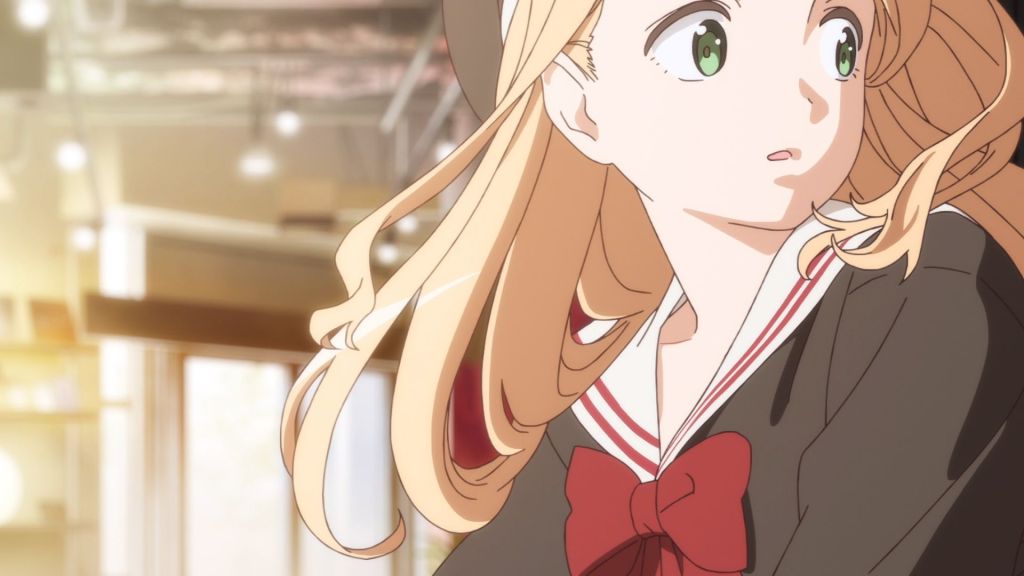
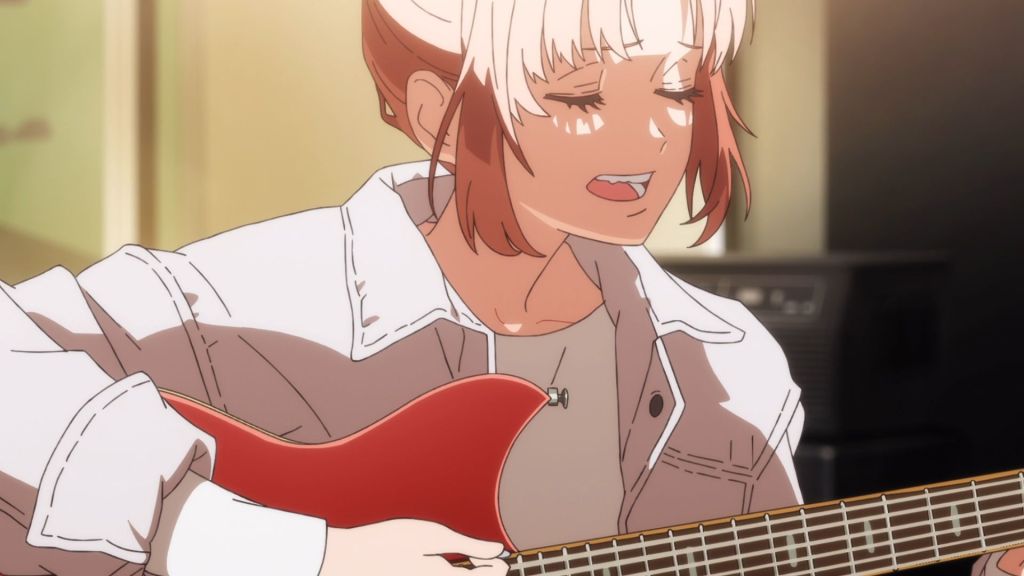
In Episode 10 a superstar arrives, the one and only Norio Matsumoto, whose standout cut of her performance shows the dazzling glow she can attain when she’s living for herself and the music she loves. Then in Souta U-I mean Magnific Singer Mel’s following episode she confides in Botan her plan to leave university and devote herself to music… and that’s where her story ends in the show. We don’t see her actually actualize that decision but most importantly we don’t see her tell Yaeka Kitamori about it either, and Yaeka is the person who needs to hear it the most. Yaeka is not a good character, in no scene does she stand on her own and she doesn’t even really try, her only trait being how she hopelessly crushes on Akane. There is no chemistry here, Akane too detached and Yaeka too bratty but maybe that’s a failing of direction, I don’t know if they’re supposed to have potential or not, I don’t understand the point. All I do know is Akane’s robust arc lacks conclusion and Yaeka flounders in her orbit, the sole frayed thread of this work.
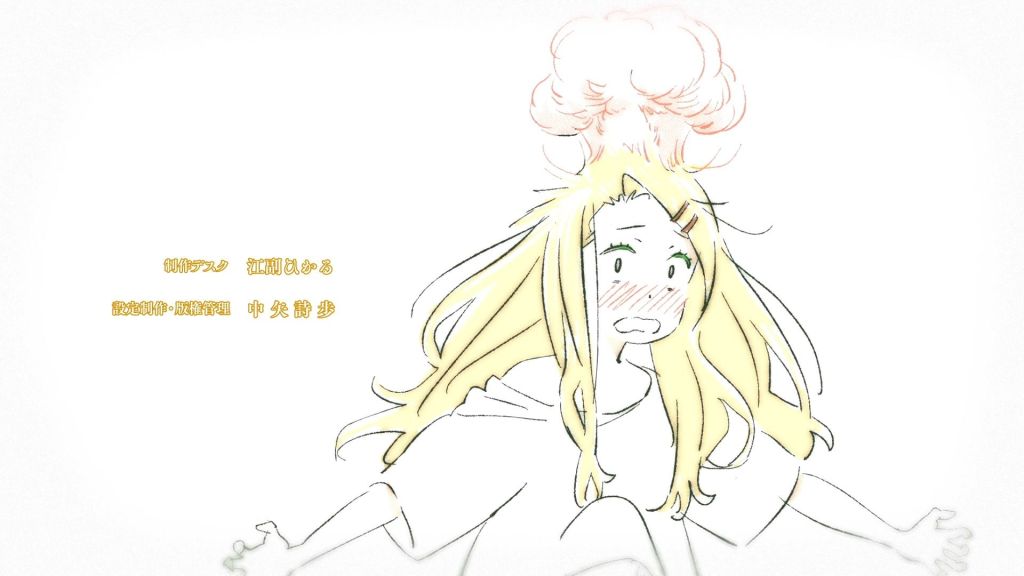
TIS THE END!
Kamiina Botan Fully Blossoms When Drunk is a fine wine of an anime, bursting with flavour on the front while also leaving a soft, warm feeling behind with every sip. Its story is meant to be slowly enjoyed, every individual episode leaving behind its own signature taste that builds into the delightful whole in the end. It is a production that drinks deeply of its medium, replicating the styles of many legendary creators or simply having them on a staff list that reaches into all corners of this space. Its artistic canvas is vast and it invites every individual creator to display their own personal tableaus like very few shows will ever let them, journeying through all these individual pieces at a contemplative pace to digest them fully. At its heart though is its portrayal of love, a glass slowly filling with shared experiences and fluid chemistry until eventually it overflows into the messy and indefinable shape of romantic love that can and will fulfill the lives of those who partake it together for as long as they fill it.
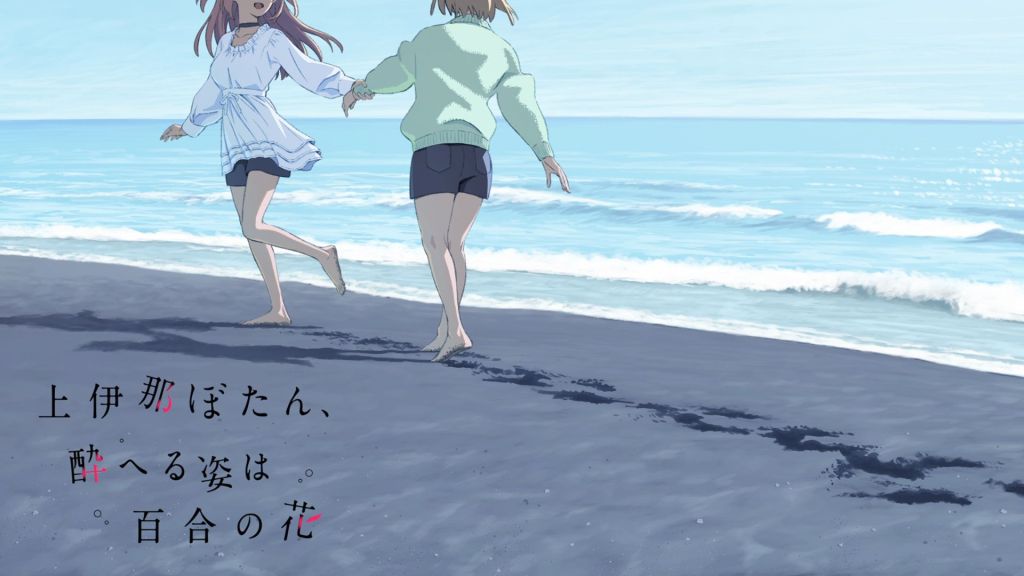
In a year still promising works by the likes of Minoru Ota, Kai Ikarashi and the one and only Naoko Yamada herself the hypothetical war for Anime of the Year 2026 is far from over, but the battle that decides it very well might have been fought already. Kamiina Botan is the best slice of life anime of this decade, it is one of the most meaningful production efforts of its time but mostly simply it reminded me why animation is maybe the best artistic medium of them all. Watch Kamiina Botan!
FINAL RATING: 9.5/10
Kamiina Botan can currently be streamed on Crunchyroll.